The Global Plastics Crisis: Two Scientists on What's at Stake for Our Oceans and Our Health
Podcasts Hosted by Erika Pietrzak, July 31, 2026
We're carrying this crisis inside us now. To close out Plastic Free July, two scientists told CTC what they've spent their careers uncovering, and it's more personal and more urgent than "just ban plastic." The fight happens locally now, in city councils, against industry tactics quietly unraveling the bans we've already won.
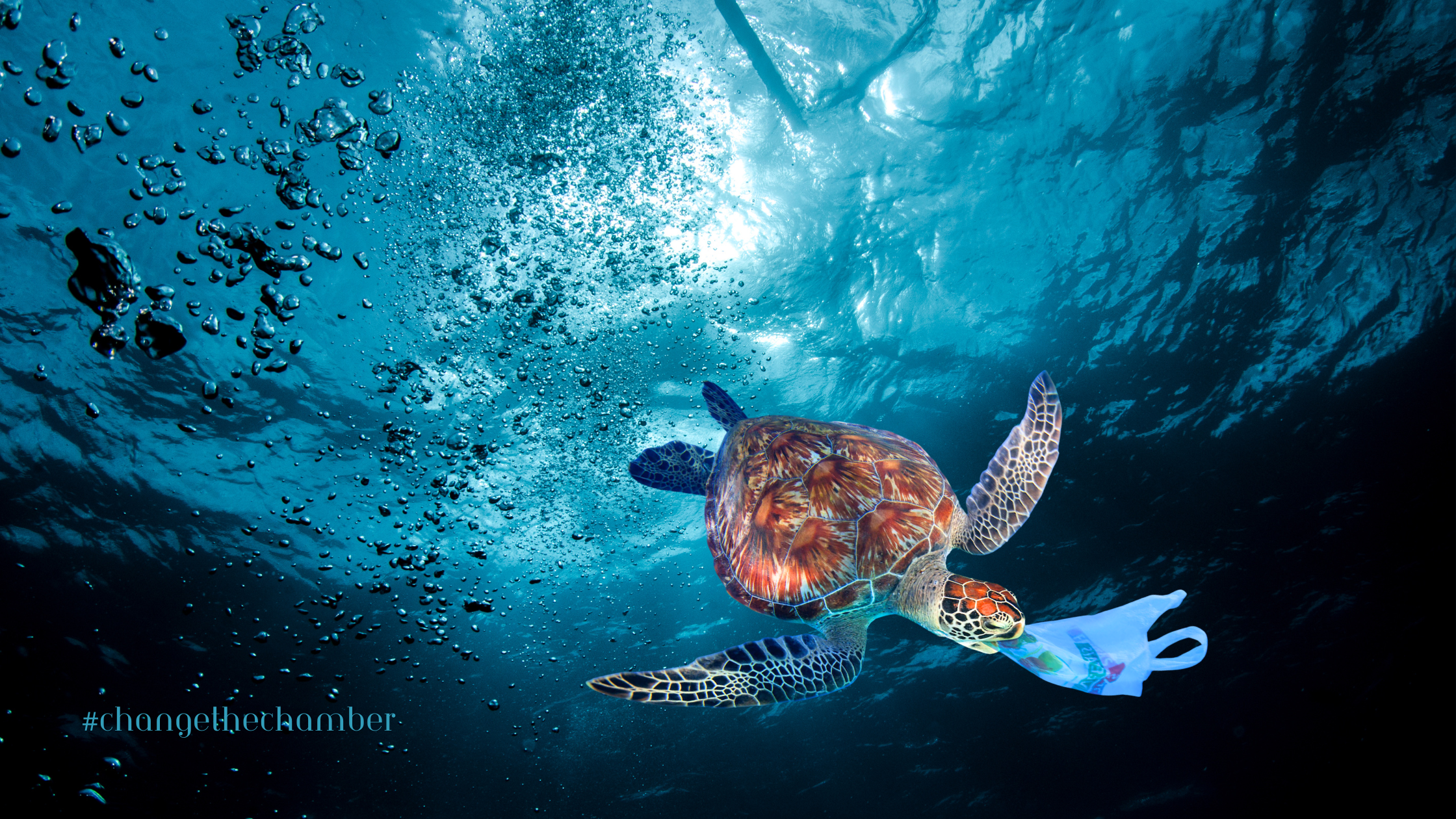
Plastic in your blood. Plastic in your placenta. Plastic in the camels of Dubai and the bird nests of Los Angeles. As we close out Plastic Free July, we're bringing you two conversations that go far beyond the water bottle in your recycling bin, straight to the frontlines of the science, the politics, and the health questions nobody has fully answered yet. Two researchers who've spent their careers studying this problem around the world sat down with us to tell us what they've actually found, and it's more surprising, more personal, and more urgent than you might think.
What's Really Happening to Our Planet
Did you know plastic is now showing up in the blood of 8 out of 10 people tested? In this episode, Dr. Win Cowger (aka Dr. Trash) pulls back the curtain on where plastic pollution really comes from, and it's probably not what you think. Spoiler: it's not people littering at the beach. It's roads, storm drains, and a system quietly failing all of us.
We also dig into a wild fact: consumers already handle 98% of their waste responsibly. So who's dropping the ball on that last 2%? Dr. Cowger doesn't hold back on naming names.
Plus, a personal story about his father's hospital care that reframes the whole "just ban plastic" conversation, and the hard truth about what federal funding cuts are doing to environmental science right now.
It's honest, it's a little unsettling, and it ends with real hope. This is part one of a two-part conversation, so once you're done, keep scrolling. Part two is right below.
Inside the Fight for a Global Plastics Treaty
Camels in Dubai with 80-pound wads of plastic bags in their stomachs. Bird nests woven from Easter basket grass. Rubber duckies that are basically hormone-disrupting chemical popsicles. In our latest episode, Dr. Marcus Eriksen (5 Gyres co-founder and 20-expedition ocean veteran) takes us places you didn't expect this conversation to go.
Recorded ahead of last year's UN treaty talks in Geneva, this conversation gets candid about who was trying to derail it. We also get into microplastics turning up in human blood, placenta, and brain tissue, a surprising political development on "forever chemicals," and a sneaky industry tactic called "preemption bills" that's quietly undoing local plastic bans across the country (until one state fought back and won). Since this conversation was recorded, those Geneva talks concluded without a finalized treaty, and negotiations are still ongoing, making the local and grassroots strategies Dr. Eriksen champions here even more relevant today.
Keep the Momentum Going
Both conversations point to the same truth: change starts locally. Get organized in your community, and take that energy to your city council, whether it's pushing for a single-use plastics policy like the one adopted in Pinole, CA, or fighting back against preemption bills that undercut local bans, the way Colorado did. Support businesses developing real alternatives to plastic, and push for transparency from companies about what's actually in their products. And if you want to go deeper, follow the ongoing UN treaty negotiations through UNEP, because the decisions made there will shape how much plastic enters our world for decades to come.
Change the Chamber is a nonpartisan coalition of young adults, 100+ student groups across the country, environmental justice and frontline community groups, and other allied organizations. To support our work, donate or join our efforts!