Jacksonville, North Carolina’s Water Suffers Decades After Camp Lejeune’s Crisis
By Erika Pietrzak, March 10, 2026
Jacksonville, North Carolina, is still living with the fallout from a water crisis that poisoned thousands of Marines and their families. Even today, floods, storms, and aging pipes make safe water a daily struggle.
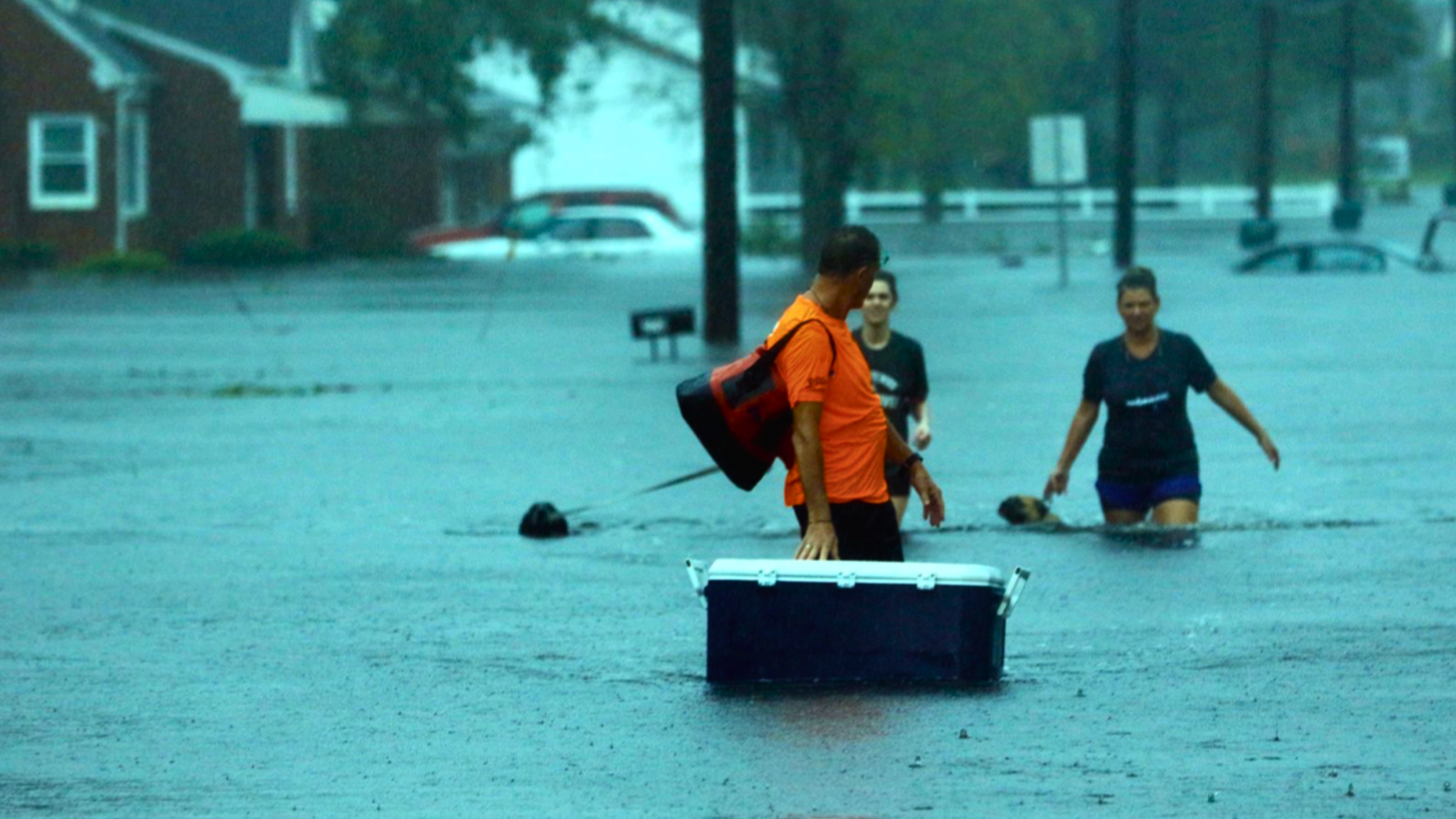
Located near the eastern coast of North Carolina, Jacksonville boasts a population of over 70 thousand people, half of whom serve in the United States Marine Corps and work on one of the largest Marine bases in the country (Camp Lejeune). Historical contamination, poor drainage, heavy rain, and coastal floods combine to make Jacksonville particularly sensitive to contaminated water and extreme weather events.
Camp Lejeune
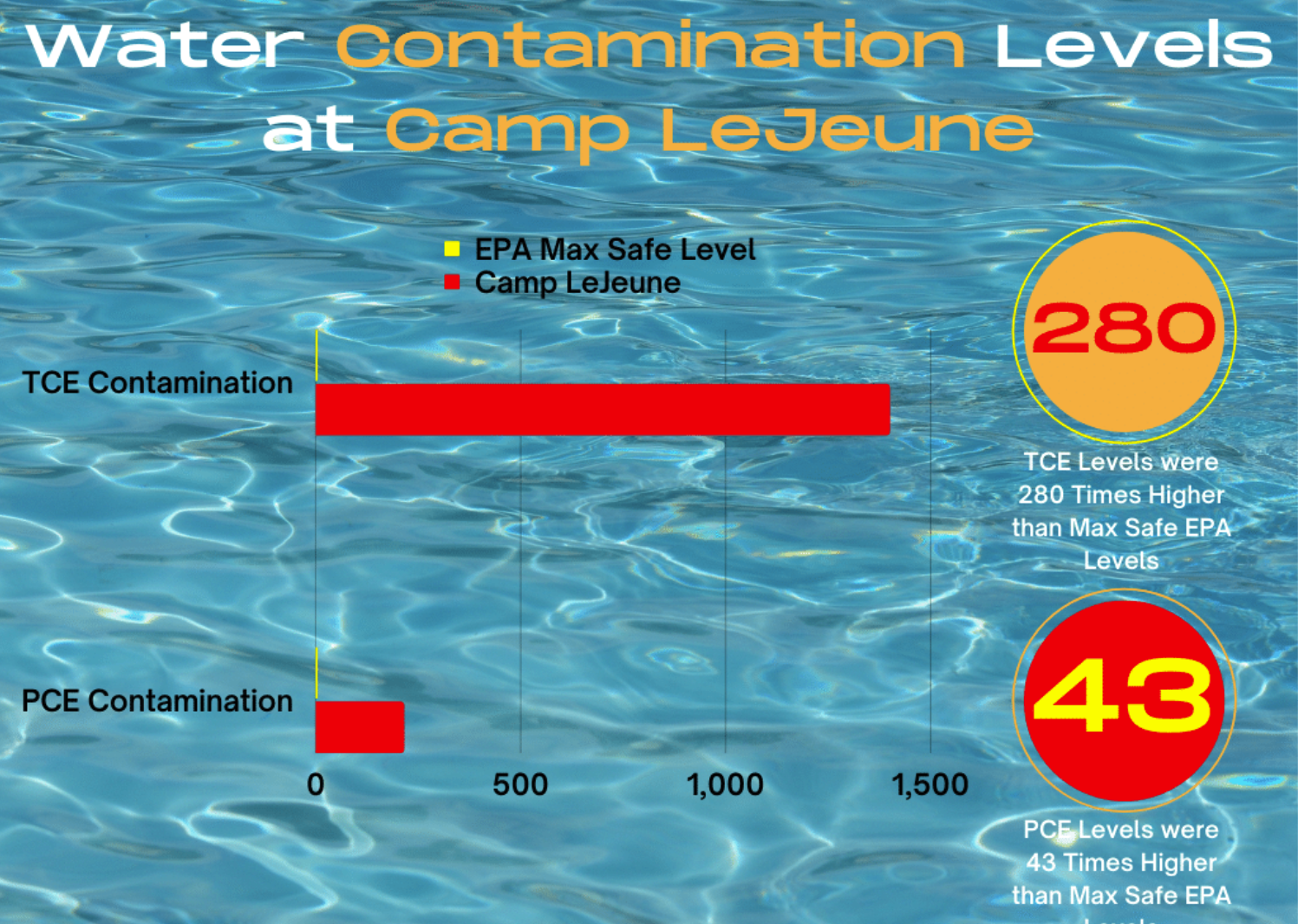
If you have lived in North Carolina in the last few years, you may have even seen commercials talking about the lawsuit against Camp Lejeune’s drinking water contamination in the 1950s through the 1980s. Between 1952 and 1987, nearly one million Marines were unknowingly exposed to contaminated drinking water at the base, constituting one of the nation’s worst water contaminant crises in history. Trichloroethylene, or TCE, and tetrachloroethylene, or PCE, as well as other cancer-causing industrial solvents, heavily polluted the drinking water on the base.
Source: Robert King Law Firm
Today, almost 400,000 people exposed to this contamination are experiencing health impacts, including certain cancers (bladder, kidney, liver), multiple myeloma, or Parkinson's disease. Those at Camp Lejeune during the previously listed time period were 70 percent more likely to develop Parkinson’s disease than Marines in Camp Pendleton in California, a 2023 study found. Consequently, “the government recognizes it as one of nine injuries that could fast-track victims’ claims for financial compensation.”
Thousands more have filed their own claims against drinking water contamination during this time period. While dozens of people have received compensation, “the overwhelming majority of claims based on the Camp Lejeune water contamination” have been denied. In fact, about just 0.03 percent of claims have received settlement offers. The offers that have been given are “often low compared with what people have spent fighting cancer and other diseases connected to the contamination.” Others may never get their answer, as one attorney stated more than two thousand of his clients died while awaiting a response.
Claims help to cover the cost of the intensely expensive care that many of the former Marines need because of their exposure. In many cases, expensive care, frequent medical appointments, medical equipment, care takers, and even funeral costs can overwhelm families of those affected. These family members state that money from the US Military would help them significantly to cover these debt-inducing costs.
Source: Wieand Law Firm
Extreme Weather
Since 1950, sea levels along the NC coast have risen approximately 11 inches and are projected to increase another one to four feet by 2100. As a result of this rise, Onslow County (where Jacksonville is located) experiences higher than average erosion of one to three feet annually. Because of its location, Onslow County is prone to both ocean-side and sound-side flooding. Jacksonville is bordered by the New River, Wilson Bay, and numerous creeks, which keep groundwater levels higher than many others in North Carolina. This flooding has resulted in rusting iron water pipes that cause discolored, metallic-tasting water and potential health risks from contamination.
Extreme rain and floods are a common occurrence in Jacksonville, including closing streets and causing significant infrastructural damage. Hurricane Florence was one of the most impactful extreme weather events in Jacksonville, impacting more than 2,300 properties in 2018 in Jacksonville and more than one thousand evacuations across Onslow County. In Onslow, an estimated one billion dollars of damage was caused by Hurricane Florence. The Hurricane broke records with its 9 to 13 feet storm surge and 20 to 30 inches of rain.
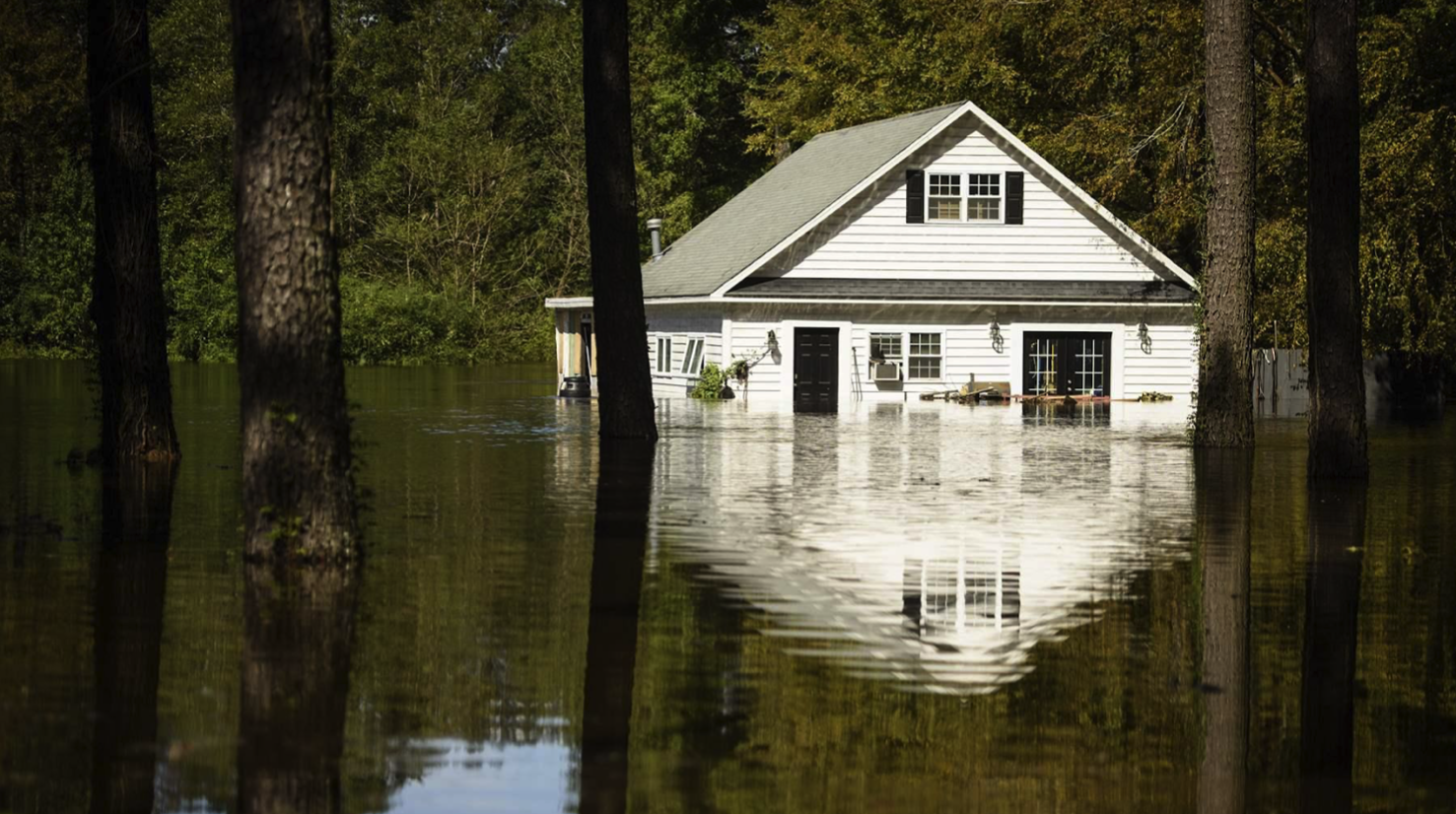
Source: Onslow County Government
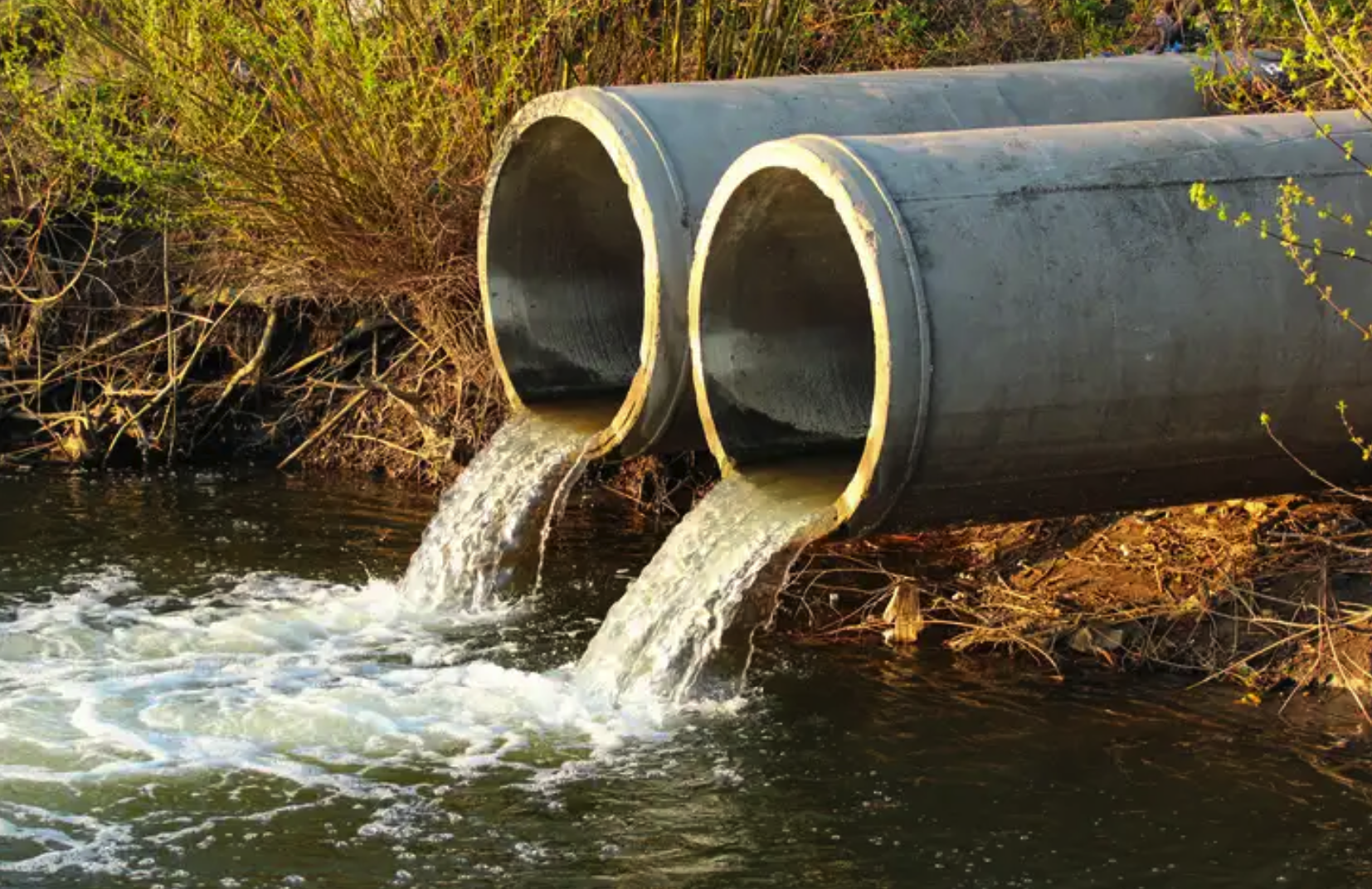
Half of North Carolinians rely on septic systems, particularly in more rural areas like Onslow County. Jacksonville contains sandy, shallow soils. Due to the soil composition, floods cause water tables to rise significantly and soak the soils that septic tanks require to absorb their effluent. This causes backups and failures in septic systems. Failures result in backups in the homes, leaks outside of the system onto the surface, and can contaminate drainage systems. These issues present significant public health hazards by contaminating groundwater and surface water with bacteria, viruses, and parasites, which can cause waterborne illnesses, such as hepatitis.
About half of North Carolina’s population source their water from private drinking wells, constituting 2.4 million people and the fifth highest reliance on wells in America. When floods and heavy rains occur, private wells get contaminated by bacteria, chemicals, and other pollutants from sources like sewage and industrial waste, making the water unsafe to drink. Higher water tables caused by heavy surface water reduce soil and rock filtration, creating a faster pathway for surface contaminants like those from pesticides, fertilizers, septic systems, and animal waste to mix with the water supply before it reaches the well.
Change the Chamber is a nonpartisan coalition of young adults, 100+ student groups across the country, environmental justice and frontline community groups, and other allied organizations. To support our work, donate or join our efforts!