Nature, Biodiversity, and Adolescent Wellbeing
By Manushi Sharma, March 4, 2026
Kids are growing up more disconnected from nature than ever, even though time with trees, dirt, and wildlife makes them calmer, happier, and sharper. When nature becomes somewhere you visit instead of somewhere you belong, we don’t just lose green space. We lose part of who they’re meant to be.
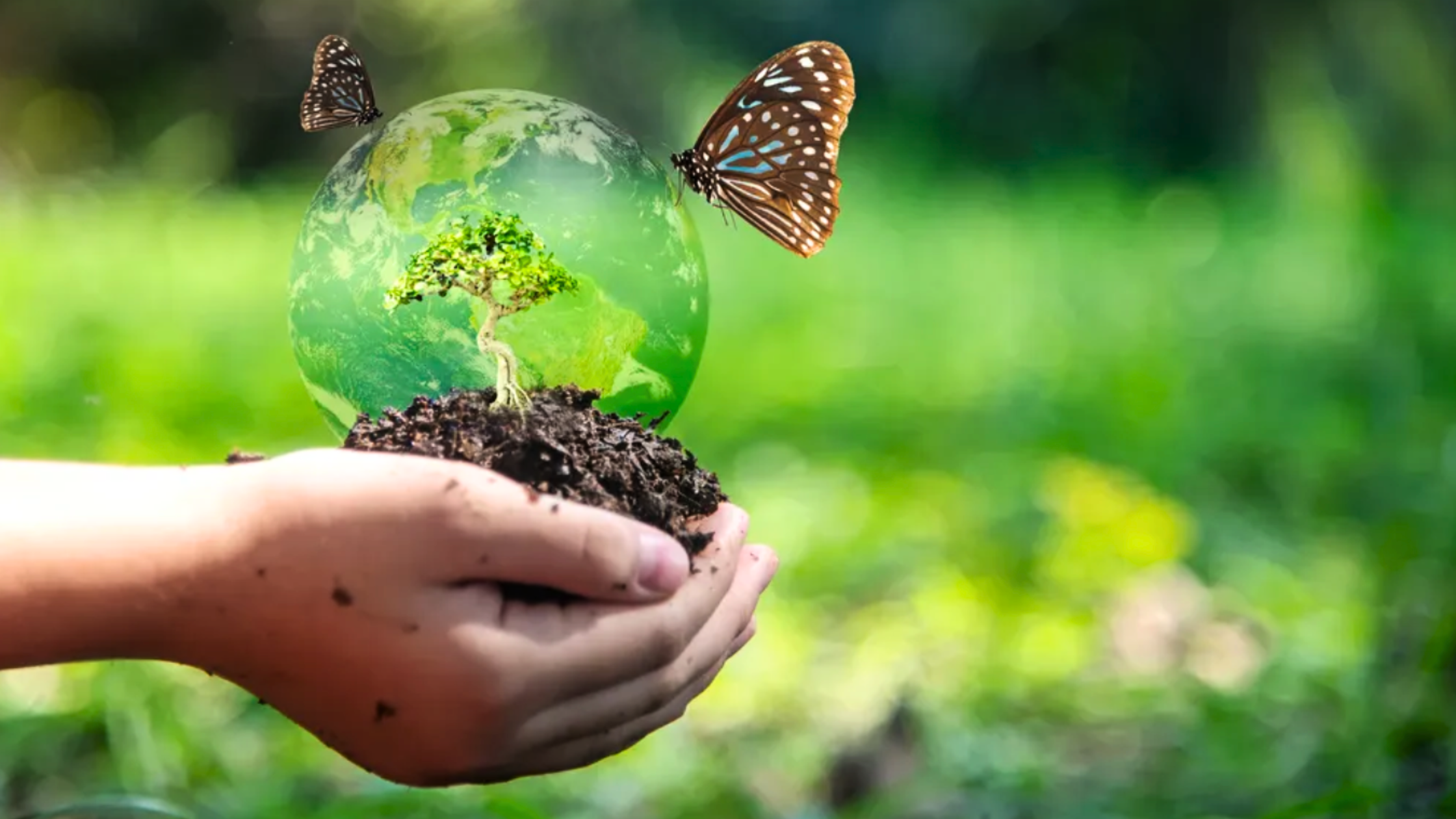
Source: Medium
The Disconnect We Don't See
We're living through a strange paradox. We know more about the climate crisis than ever before. We have more environmental education programs in schools. We talk endlessly about sustainability. And yet, we're raising the most nature-deprived generation in human history.
Miles Richardson's research into historical trends from 1800-2020 found that people's connection to nature has declined by 60% since the 1800s. The research also identified the disappearance of natural words from books, which peaked at a 60.6% decline in 1990.
Richardson predicts an ongoing "extinction of experience"—future generations continuing to lose an awareness of nature because natural spaces are disappearing in increasingly industrialized neighborhoods. City planning frequently tries to separate neighborhoods from nature, aside from limited park spaces, rather than integrating nature into our lives. Meanwhile, parents no longer pass on an "orientation" toward the natural world. Which means previous generations grew up learning from their parents how to appreciate, understand, and interact with the natural world - things like: recognizing different birds, plants, or trees, spending time outdoors as a normal part of life, understanding seasonal changes and natural cycles, respecting and valuing nature. However, this practices are decreasing as natural spaces are disappearing.
To unpack this, I talked to Dr. Kate Howlett, who has been studying how children and young people interact with the natural world and what that means for their health, learning, and future attitudes toward the planet. Her work over the past decade reveals that the environments children grow up in shape the adults they become.
A Nature Walk
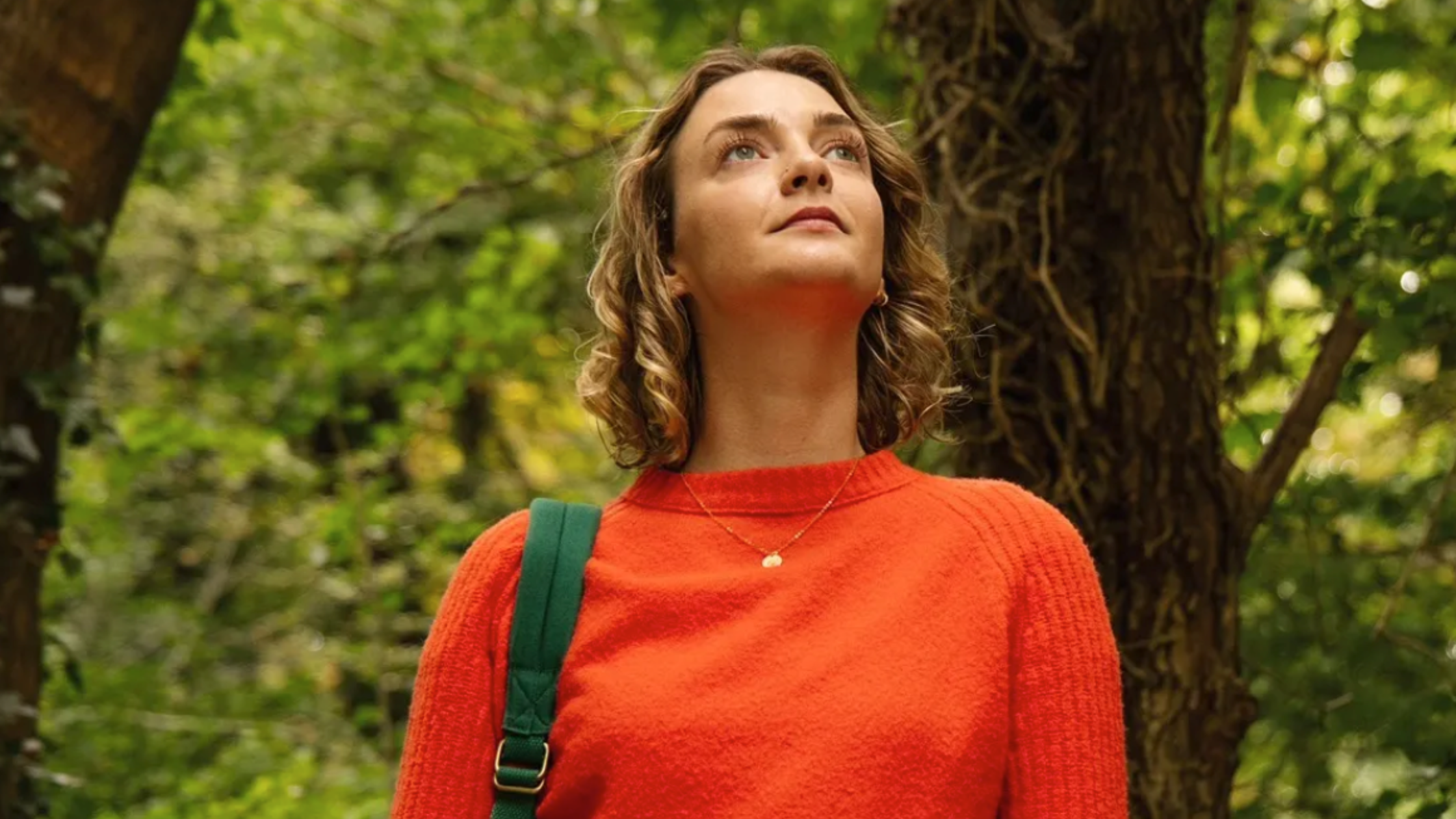
Dr. Kate Howlett / Source: Natural Connection
Kate Howlett is a writer and social ecologist based in Cambridge, UK. She holds a PhD from the University of Cambridge on children’s relationship with nature and has a background in ecology and conservation. She is passionate about communicating how our relationship with nature forms and why it is vital to continue to cultivate it throughout our lives. Her own relationship with nature has helped her navigate grief after the recent and sudden loss of her father, and she believes one of the best ways to illustrate the importance of this relationship is by telling her own story. She writes a weekly newsletter on Substack called 'Natural Connection', where she shares stories and findings from her research, personal essays, and accessible breakdowns of research papers on the science behind nature connection.
Dr. Howlett’s journey into this field began during her undergraduate degree, when she worked with a high school to explore whether walking through nature could reduce students’ blood pressure and improve their mood.
“It hooked me,” she says. “There were so many health and well-being benefits from nature, but back in 2015, hardly anyone was talking about it.”
That curiosity led her to a PhD at Cambridge, funded by the UK’s Natural Environment Research Council, where she spent five years investigating how children encounter nature—particularly in schools, where they spend a huge proportion of their lives.
Her research explored:
Biodiversity in primary school grounds, something that hadn’t been measured before
How COVID lockdowns changed parents’ attitudes to green space
How children perceive wildlife, explored through their drawings
Whether biodiversity at school can reduce anxiety and heart rate in teenagers
A standout element of her work involved students themselves helping to design studies and collect data.
What the Research Actually Shows (and It's Surprising)
Dr. Howlett’s favorite research memory captures something many adults overlook about children's capacity for connection with nature. She asked primary school students to draw the wildlife they thought lived in their gardens. Three weeks later, she held a hands-on lesson on biodiversity outside. Three weeks after that, she asked them to draw again.
"The level of detail I received in those later drawings was beautiful," she recalls. "A lot of them weren't just generally drawing me more invertebrates. They were drawing detailed pictures of the actual animals we'd found together. I received so many lovely drawings of an earwig at one school." Her Substack describes this experience.
This activity offers a glimpse into how deeply children engage when they connect with living things. And the benefits are measurable:
Physical health: Dr. Howlett’s research with high school students found that more biodiverse school environments could lower heart rate and improve anxiety levels.
Mental well-being: More biodiverse spaces, those with greater complexity and variety of species, have a higher "psychologically restorative effect." They replenish our attention- a limited resource that is especially impacted by the increased use of screens and technology in schools.
Social development: Research on renovated schoolyards in Los Angeles found that greener spaces led to more positive social interactions between children, higher levels of physical activity, and less aggressive behavior, such as bullying. Outdoor learning helps children develop positive friendships, resilience, and independence through creative play and problem-solving.
Academic performance: Another study found that schools with greater tree diversity around them had better learning outcomes. Better attention, calmer students, more physical activity—of course, this translates to learning.
"The natural world is the best classroom, not just for learning about nature and ecology, but for all subjects," Dr. Howlett says. "I've had primary school teachers get in touch with me after I've delivered sessions at their schools to tell me how they'd never thought of including nature in their lessons before. It's a gift for any subject—creative writing, art, geography, maths—you name it."
The Access Problem We're Not Talking About
If nature improves children's health, learning, and wellbeing, you'd think we'd make sure every child has access to it. But we don't.
Rigolon et. al. revealed that socioeconomic status often predicts the amount of green space cover in urban spaces in the US. This theme can also be seen in the UK. Dr. Howlett’s research during COVID revealed a stark divide in the UK. Rural parents were generally happy with the amount of nature their children had access to, often citing it as the reason they lived where they did. Urban parents, however, wanted their children to have greater access to nature, and lockdown had highlighted this need clearly. In comparing state-funded versus privately funded schools, Dr. Howlett said that "State-funded schools often didn't have the luxury of space and budget to be able to accommodate plenty of nature-rich areas, while privately funded schools did," she explains. "This means that children of parents who are less well off financially are being exposed to less nature on a daily basis at school, which worries me."
There's a generational divide, too. With the UK housing market similar to the US, making it increasingly difficult for young families to afford homes with gardens, larger properties with outdoor space are disproportionately owned by older people. Conservation organization memberships skew heavily toward older age groups. The very generation that will inherit the climate crisis has the least access to nature. This inequality compounds over time. Children spend a huge proportion of their lives at school, and the nature they're exposed to daily during these formative years sets the tone for their relationship with the natural world for the rest of their lives.
The Climate-Biodiversity-Kids Connection
The picture gets more troubling when you zoom out to the planetary scale—climate change and biodiversity loss exacerbate each other in a dangerous feedback loop. As climate change accelerates, generalist species (those with less specific habitat requirements) adapt better, while specialist species with particular needs fare worse. "This means we will lose a lot of our more unique, less well-known, special plants and animals," Dr. Howlett explains, "so habitats will become less specialized and more homogenized over time."
Our response to these twin crises may be making the problem worse for young people. As we create more nature reserves and marine protected areas, a necessary conservation strategy, we risk creating an even more extreme divide between "us" living in urbanized areas and "nature" existing "over there."
"Not only is this mindset at the root of our environmental crises," Dr. Howlett warns, "but as we start to designate land 'for nature' or 'for us', we also reduce our access to it."
The impact on young people is particularly insidious. Adults might notice this separation happening, but for children growing up today, this divide is their baseline. They won't know how to imagine a different way of existing. "We are creating a world that cordons off the rest of nature from our human-made world, which is a damaging impression and mindset to pass onto the next generation," Dr. Howlett says.
We're doing them a double disservice: reducing their access to nature-rich areas, with negative impacts for their wellbeing and health, while simultaneously creating a worldview that sees humans and nature as fundamentally separate.
The Solution
The solution, Dr. Howlett believes, lies in bringing nature into schools, really integrating it into their design, curriculum, and daily schedule. "Familiarity with the natural world is so important," she emphasizes. This isn't about occasional field trips to nature reserves "over there." It's about making nature part of the everyday learning environment.
This integration serves multiple purposes. Being outside helps kids who struggle with behavior or sensory overload in conventional classroom settings. "It allows them to engage with learning in a more relaxed way, and, unsurprisingly, they start to take more interest in their own learning," Dr. Howlett notes.
But what would this actually require?
Curriculum changes: Mandating outdoor learning in nature-rich spaces across all subjects, not just science or PE.
Teacher training: Funding and support to empower educators to teach outside. Many teachers simply haven't been shown how nature can enhance their lessons.
School design: Allocating more space for nature in schoolyards. "Once this begins happening, it becomes a no-brainer to allow more space for nature in schools," Dr. Howlett says.
The students Dr. Howlett worked with at the high school were "massively involved in designing the study and collecting all the data—such a fantastic opportunity to make science come alive at school." When given the chance, young people are eager to engage with the natural world on their terms.
One Message for Parents and Young People
Dr. Howlett leaves us with a simple but profound reminder:
“We are part of the planet’s biodiversity, not apart from it.”
Everything we've created depends on the natural world being healthy and functional, especially our well-being. "No matter how much we try to separate ourselves from nature, as if this gives us more control over our lives, it isn't possible—it's a complete fallacy," she explains.
This isn't just feel-good environmentalism. It's about recognizing reality. The question isn't whether to connect children with nature, but whether we're preparing them to live in the world as it actually is, a world where human wellbeing and planetary health are inseparable. To Dr. Howlett, improving children's exposure to nature at school is a win-win situation: "The children themselves benefit, both immediately and as adults, and so does the planet—how can we recruit the next generation of conservationists, ecologists, or environmentally literate politicians if we cut children off from nature so young?"
The sooner we understand this fundamental connection, the sooner we can prioritize co-existing with the rest of the natural world in a balanced way. That shift, from separation to coexistence, isn't optional. It's essential for creating a sustainable and healthy future for the next generation.
And it starts with something as simple as letting children draw earwigs.
CLIMATE AND HEALTH SERIES
This piece is part of our ongoing #OurClimateOurHealth Series, which explores how the climate and environment shape our health outcomes. We highlight both the risks and the solutions, showing that climate action is also a public health imperative. Our goal is to inform, inspire, and equip readers, practitioners, and policymakers to safeguard health in the face of environmental change. Explore other stories from the series HERE.

Change The Chamber is a nonpartisan coalition of young adults, 100+ student groups across the country, environmental justice and frontline community groups, and other allied organizations. To support our work, donate or join our efforts!