Vanishing Farms: The Cost of Losing America’s Small Farmers
By Derek Gali Martinez, March 29, 2026
America’s small farmers are disappearing, and with them goes our food security, local economies, and climate resilience. If we don’t act now, corporate agriculture won’t just dominate our food system, it will decide who eats and who doesn’t.
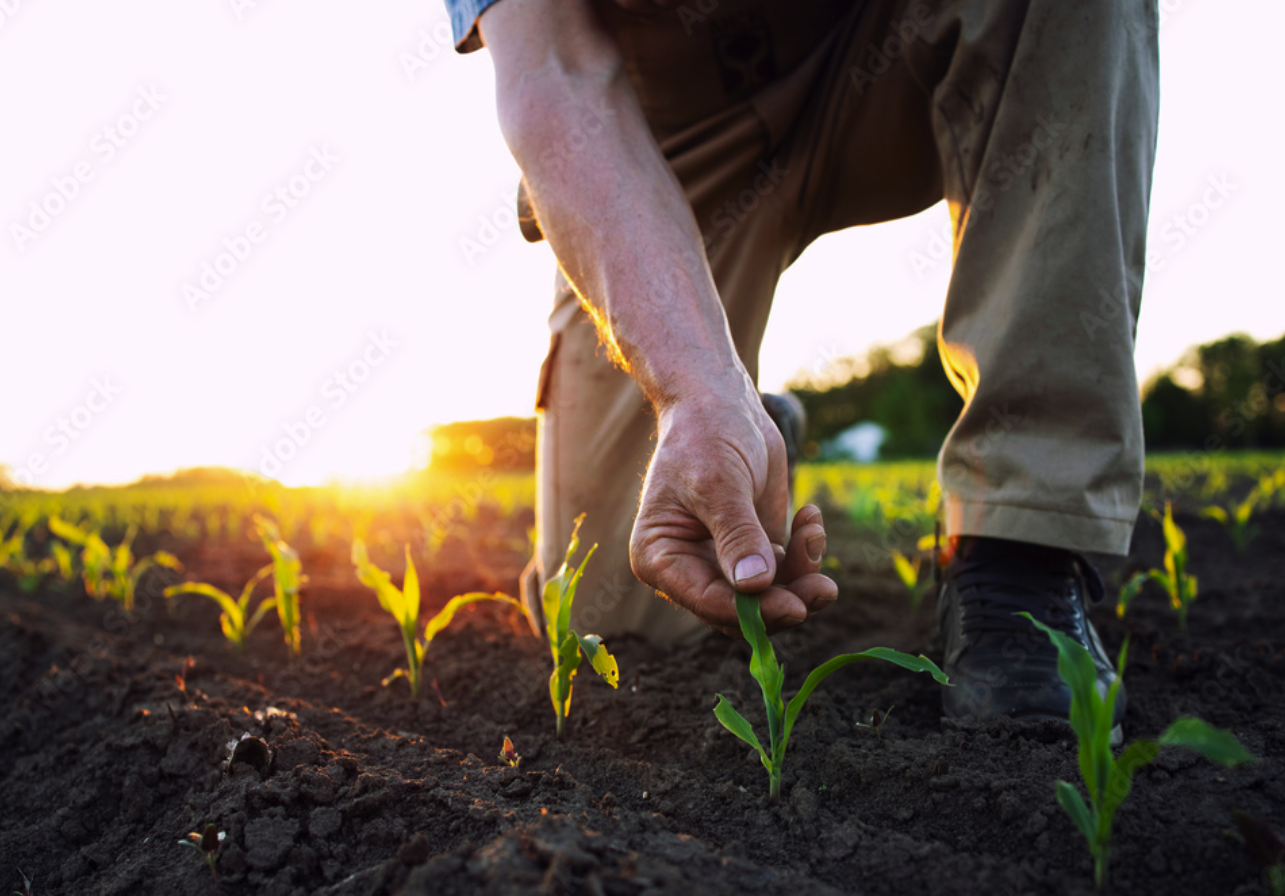
Source: LittleWolf1989
American farming has long symbolized independence, stability, and the ability to build generational wealth. Yet the story of small farmers in the United States today tells a very different tale, often shaped by policies that often favor large scale operations over small ones. Today, small farms make up roughly 85 percent of all U.S. farms, yet only account for 14 percent of total agricultural sales, highlighting how small farms have become underrepresented and excluded from American agriculture at large.
In 1935, small family farms were the backbone of rural America, providing livelihoods and supporting local economies. Over time, however, that number has steadily declined. The USDA reports that the total number of farms in America fell from 6.8 million in 1935 to fewer than two million today, with small farms bearing the brunt of this decline. The average farm now spans 463 acres, reflecting an ongoing trend toward industrial scale production. Many small farms are no longer full-time commercial operations- nearly half of all farms report annual sales below $10,000, while less than one percent of farms with sales over $1 million produce the majority of the nation’s food. These statistics emphasize the disconnect between the number of farms and their true economic sovereignty.
Even when small farmers grow enough crops, turning a profit remains a challenge. Large grocery chains and distributors dominate the market, demanding consistent volumes, standardized packaging, and reliable delivery schedules that are often impossible for small operations to meet.
This forces many small farmers to sell through farmers markets or Community Supported Agriculture (CSA) programs. In 2022, only 116,617 farms sold directly to consumers, generating $3.3 billion– a fraction of the $543 billion generated from allU.S. agricultural production. Commodity crops are also priced on global markets, favoring large scale producers who can survive on razor thin margins. Small farms, with higher per unit costs and limited access to distribution networks, often struggle to compete. They must juggle growing, marketing, delivery, and administration roles that larger farms separate into specialized systems.
Small farms are also critical environmental stewards. Many diversified crop rotations, sustainably manage pastures, and protect habitats for pollinators and wildlife. These practices improve soil health, reduce carbon emissions, conserve water quality, and enhance biodiversity. In contrast, large industrial farms often rely on monocultures, heavy chemicals and mechanization that degrades soil, pollutes waterways, and reduces ecological resilience. Supporting small farms is therefore an environmental imperative-crucial for fostering a resilient agricultural sector in the face of climate change and economic volatility.
The decline of small farms also carries profound social and economic consequences. Rural communities lose critical economic anchors when farms disappear, and local food networks shrink. Jobs, cultural heritage, and intergenerational knowledge are diminished. Experts propose several strategies to strengthen small farms, including improving access to credit and microloans, simplifying USDA applications, assisting with expansions to consumer markets, and adjusting subsidies to better support small and mid-sized operations.
“Small scale farmers already produce a large share of our food and contribute directly to rural economies, crop diversity, and resilient food systems,” notes the World Economic Forum. “Ensuring they have fair access to markets, technology, and support is essential to making our food systems more sustainable and inclusive.”
The decline of small farms reflects a century of market consolidation and structural inequality. Ensuring that small farms survive and thrive is essential for building a resilient, equitable, and sustainable food system. Consumers, policymakers, and communities all have a role to play. Consumers can shop at farmers markets, join CSAs, and buy local produce to directly support small producers. Policymakers can advocate for legislation that expands access to credit, land, and distribution channels for small farms. Communities and investors can encourage sustainable farming practices, protect farmland, and fund initiatives that promote local food systems. Supporting small farms ensures that land, livelihood, and environmental stewardship will remain attainable for generations to come. The future of American agriculture depends on us valuing small farmers not only for their economic output but for the resilience, diversity, and sustainable practices they bring to the nation’s food system.
Take Action
Here are practical steps you can take to make a difference today!
Support Local Producers: Visit farmers markets or farm stands, and consider joining a CSA program to buy directly from small farms.
Choose Sustainability: Favor produce and products from farms that use regenerative and environmentally responsible practices.
Speak Up for Policy Change: Encourage lawmakers to expand access to credit, simplify federal programs, and adjust subsidies so they work for small and mid-sized farms.
Invest in Your Community: Back local initiatives that strengthen distribution networks, cooperative systems, and resilient food infrastructure.
Spread the Word: Share what you’ve learned with friends, family, and neighbors awareness builds support.
By taking action big or small you help ensure that small farms remain a vibrant part of American agriculture, offering economic opportunity, ecological stewardship, and a food system that serves everyone, not just the largest producers. Supporting small farms today preserves the independence, diversity, and sustainability of American agriculture for generations to come.
Change the Chamber is a nonpartisan coalition of young adults, 100+ student groups across the country, environmental justice and frontline community groups, and other allied organizations. To support our work, donate or join our efforts!