Unequal Harvest: How Black and Brown Farmers Continue to Struggle Under USDA Policies
By Derek Gali Martinez, March 13, 2026
American farming has long been seen as a path to independence and generational wealth. Yet discriminatory policies and unequal access to federal resources have pushed many Black and Brown farmers out of the industry, leaving a pronounced racial imbalance in who owns and benefits from the nation’s farmland.
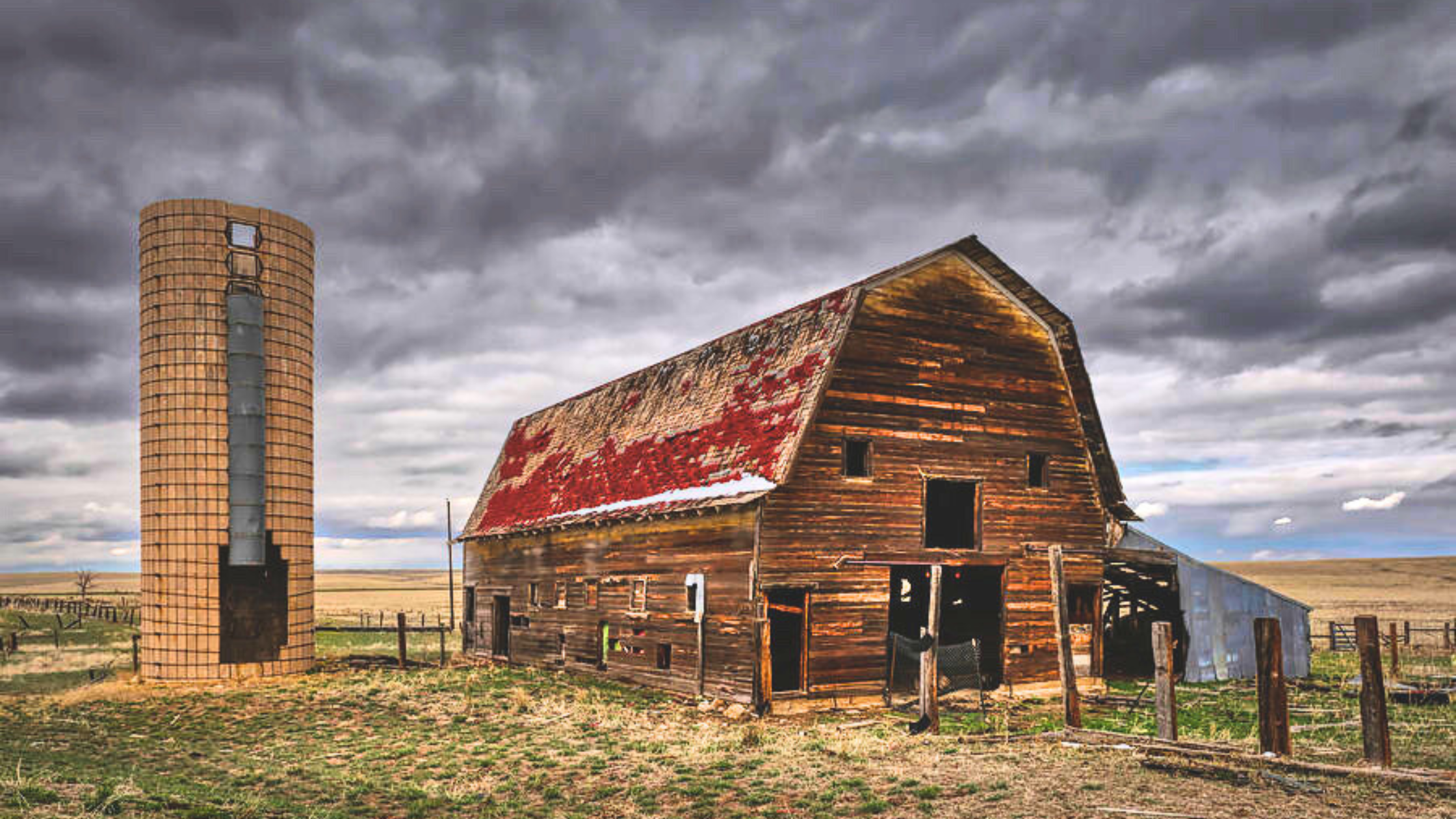
Source: Noah Katz
American farming has historically symbolized independence, stability and the ability to build generational wealth. Yet the story of Black and Brown farmers in the United States tells a very different story. Their story is often shaped by exclusion, unequal access to capital, and federal policies that often failed to serve all farmers equally. Today, Black farmers make up roughly one percent of U.S. agricultural producers, while Hispanic or Latino producers, commonly referred to as Brown farmers, account for roughly 3 percent. Meanwhile, non-Hispanic white farmers operate more than 90 percent of the country’s farms by, illustrating a persistent racial imbalance in agriculture.
In 1920, there were approximately 925,000 Black farmers, making up roughly 14% of all farmers nationwide. They owned millions of acres of farmland, particularly in the South, building agricultural enterprises that served as foundations for economic independence, land stewardship, and community stability. Over the last century, however, that number has steadily declined. Today, Black farmers control only about 0.5% of U.S. farmland, roughly about 5 million acres across fewer than 50,000 farms nationwide reflecting an estimated 80-90% loss of Black-owned agricultural land over the past century.
Hispanic and Latino farmers have grown in number over time, yet they continue to face systemic barriers, including limited access to federal loans, bureaucratic complexity, and language obstacles. According to the 2022 USDA Census of Agriculture, 112,379 producers identified as Hispanic, Latino, or of Spanish origin, representing about 3% of all U.S. agricultural producers. These farmers operated roughly 83,500 farms and managed approximately 37 million acres of land. Despite their contributions, participation in federal support programs remains uneven.
“Farming is not just a livelihood; it’s the foundation for generational wealth. Losing land has lasting consequences for families and communities,” says Dr. Monica White, a scholar of Black agrarian history at the University of Wisconsin-Madison. The U.S. Department of Agriculture (USDA) has acknowledged the growing role of Hispanic producers, noting that they “continue to make meaningful contributions to our nation’s food supply… feeding the nation and fueling economic activity in rural communities.
Much of the decline in Black farm ownership is tied to the history and practices of the USDA. For decades, access to loans, disaster relief, and technical assistance was administered through local county committees that were overwhelmingly white, particularly in Southern states, where most Black farmers lived. Civil rights investigations beginning in the 1960s documented systemic discrimination: Black farmers were often denied loans that white farmers received, approved for smaller amounts, or forced to wait until planting season had passed. When loans were granted, repayment terms were frequently harsher.
Hispanic and Latino farmers experienced similar disparities, especially immigrants or producers with limited English proficiency who lacked equal access to outreach and technical assistance. “The USDA’s policies have historically reinforced inequalities rather than alleviating them,” explains John Boyd Jr., president of the National Black Farmers Association. “Even now, many Black and Brown farmers still struggle to navigate a system that was never designed to serve them equally.”
In 1999, thousands of Black farmers filed the landmark class-action lawsuit Pigford v. Glickman against the USDA, alleging decades of discriminatory lending practices between 1981 and 1996. The settlement ultimately provided more than $2 billion in compensation, making it one of the largest civil rights settlements in U.S. history. While it marked a historic acknowledgment of wrongdoing, many farmers missed filing deadlines or struggled to document past discrimination. As a result, the settlement could not restore the land, wealth, or generational opportunity already lost. Structural barriers within USDA programs, particularly at the county level, were not fully dismantled.
Land loss was compounded by another issue: heirs’ property. When land is passed down without a formal will, ownership becomes fragmented among multiple descendants. Over generations, dozens of relatives may hold fractional shares. Without a clear title, farmers cannot qualify for USDA loans or disaster assistance. The land also becomes vulnerable to forced partition sales, in which a single co-owner can trigger a court-ordered sale. Although heirs’ property disproportionately affects Black families, Latino and Indigenous farmers face similar challenges in maintaining secure land tenure.
Recent census data reveal additional complexities. While the number of Hispanic-operated farms has declined in some regions, the average size of those farms has grown, signaling structural shifts in how operations are organized. Yet participation in federal programs such as crop insurance and commodity payments remains lower among Hispanic and other socially disadvantaged producers than among non-Hispanic white farmers. Analysts link this gap to disparities in outreach, administrative access, and structural support.
Modern USDA programs, including crop insurance, conservation initiatives, and commodity subsidies, often favor larger, capital-intensive farms. Because Black and Brown farmers are more likely to operate small or mid-sized farms, they typically receive smaller shares of federal assistance. Although the USDA has implemented programs targeting “socially disadvantaged farmers,” including microloans and outreach efforts, recent policy changes have reduced explicit race-based criteria in some areas. This shift has sparked debate. Critics argue that race-neutral policies fail to correct decades of discrimination, while supporters contend they reduce legal vulnerability and expand universal access.
“Small farmers of color often face multiple barriers—from language to paperwork to systemic bias. Without targeted support, equal treatment does not equal equity,” says agricultural economist Dr. Timothy G. Johnson.
Land ownership has long been one of the most reliable vehicles for building generational wealth in the United States. When Black and Brown families lose farmland or cannot access capital to sustain it, entire communities lose economic anchors. The effects ripple outward, weakening local businesses, food networks, and rural economies. Increasing diversity in agriculture strengthens food systems, expands local markets, and enhances resilience against climate and economic shocks.
Experts and advocates propose several strategies to rebuild equity in farming: expanding low-interest microloans, simplifying USDA applications, increasing bilingual outreach, strengthening civil rights oversight, providing legal assistance for heirs’ property and estate planning, and adjusting subsidy formulas to better support small and mid-sized farms.
The sharp decline of Black farmers from nearly one million in 1920, along with the continued underrepresentation of Hispanic and other farmers of color, reflects a century of lost opportunity shaped by structural inequality and diminished access to credit. Ensuring equitable access to land, capital, and federal programs is not only a matter of fairness; it is essential to building a more inclusive food system and narrowing the racial wealth gap. The future of American agriculture depends on expanding opportunity so that land, livelihood, and legacy remain attainable for every community that seeks to cultivate them.
Change the Chamber is a nonpartisan coalition of young adults, 100+ student groups across the country, environmental justice and frontline community groups, and other allied organizations. To support our work, donate or join our efforts!