Poison That Lingers: North Carolina’s PFAS Crisis
By Erika Pietrzak, December 17, 2025
North Carolina has lived with forever chemicals for decades, and now the government is asking communities to wait even longer. The harm is slow, invisible, and deadly, and the state is being forced to endure it.
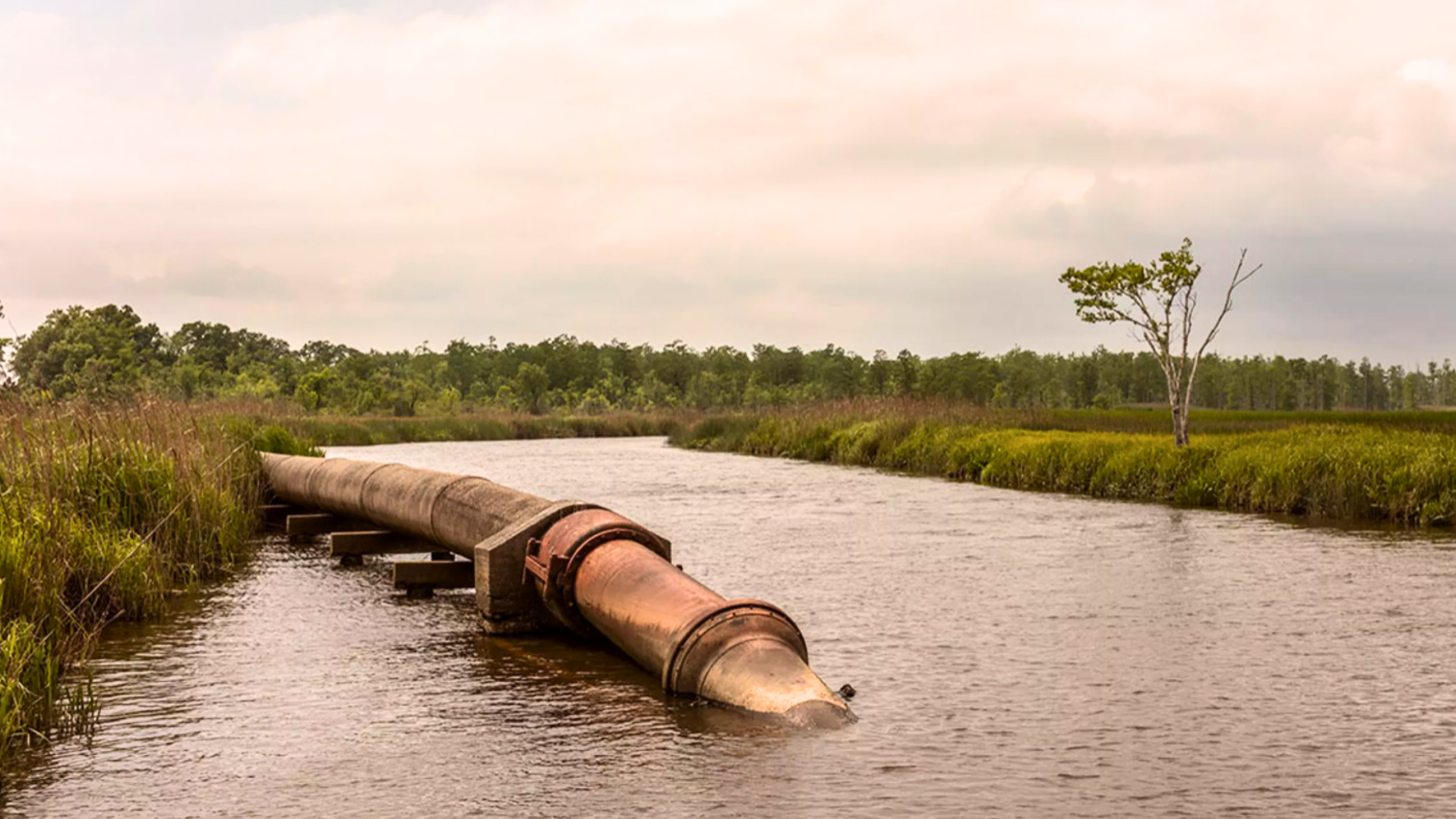
Source: NRDC
In May of 2025, the Environmental Protection Agency (EPA) “announced plans to extend the timeline for water utilities to reduce the maximum safe levels for human consumption for a select group of per- and polyfluoroalkyl substances known as PFAS.” The four chemicals extended are far more damaging for the future than the ones left at the 2024 timeline. This decision caused uproar across the country, especially in North Carolina, where decades of contamination have caused PFAS to run rampant across the state’s ecosystems, within residents' bodies, and in its wildlife.
PFAS are linked to various diseases, including cancers, heart disease, and kidney issues, but they are not the sole cause of these conditions. A 2022 study estimated that PFOS exposure was associated with approximately 382,000 deaths annually in the US between 1999 and 2015. This number dropped to 69,000 between 2015 and 2018, following the Obama administration's EPA's proposal of the Significant New Use Rule (SNUR) for long-chain PFAS chemicals. However, this study did not even include children who are far more sensitive and at higher risk of exposure due to hand-to-mouth behaviors. But the delay of current interventions threatens to reverse that progress.
The delay in PFAS intervention is especially harmful because of the delayed health impacts of PFAS exposure, which results in a deadly contamination whose damage unfolds silently over the years. They are often known as “forever chemicals” because we currently lack a reliable way to get rid of them. Over time, they simply build up in the environment and our bodies. Environmental Working Group President Ken Cook critiqued the EPA’s decision, saying, “The EPA is caving to chemical industry lobbyists and pressure by the water utilities, and in doing so, it’s sentencing millions of Americans to drink contaminated water for years to come.” Ordinary people will pay for the continued use of these chemicals through sickness, suffering, and death, he continued.
In North Carolina, the problems of PFAS are very real and imminent. Decades of pollution, particularly in the Cape Fear River and Haw River basins, from industrial sources have contaminated local ecosystems and passed on dangerous chemicals from fish to people while polluting drinking wells throughout the state. Companies responsible for polluting the Haw River have been taken to court for PFAS contamination, following 2024 testing that found PFAS in the bodies of fish samples. This not only presented a significant public health hazard, but it has also caused significantly more problems with recent storms.
Extending this deadline also creates strain on vulnerable groups, adding to the burden of environmental justice communities in the United States, and particularly in North Carolina. Along the Cape Fear River, for example, the Tuscarora Nation, an Indigenous community that criticized this delay as endangering vulnerable communities. For low-income families, this pushback will be particularly harmful, as they cannot afford bottled water or home filtration systems.
One of the PFAS compounds included in this delay is GenX, released by the Chemours Fayetteville Works plant. In 2017, the plant was exposed to have been dumping the chemical into the Cape Fear River for decades. By now, most residents of the Cape Fear Basin have GenX in their blood who participated in an NC State University study. The decision to extend the deadline for the popularly used PFAS has been received as a significant mismanagement and public danger: “If somebody was pointing a gun at my kid right now, am I going to protect him from one bullet or all of the bullets?”
For three years, the North Carolina Department of Environmental Quality has strived to establish regulations for PFAS, but a series of delays has prevented the initiative from reaching the public comment period. The efforts of nonprofits and environmental health experts in the state have created widespread support for the change, but this new federal delay could present larger issues for state regulations to improve.
A 2023 study found that “[d]rinking water, surface and groundwater, air, sediment, aquatic species, and human blood serum are contaminated by PFAS” in North Carolina. Groundwater is one of the most common sources of PFAS contamination in North Carolina. With almost two and a half million residents relying on private drinking water wells, the stress placed on NC’s Environmental Health Departments and licensed well drillers skyrockets each year to prevent groundwater from entering these precious sources. This will only continue to worsen if companies are allowed to keep using and dumping these harmful, accumulating chemicals.
This two-year extension, with current estimates, will cause over 100,000 deaths and endanger many more wildlife species. North Carolina is already deeply troubled with PFAS, and two more years could be detrimental not only to those currently in the state but for all future residents.
Take Action
Support the Southern Environmental Law Center in its fight against PFAS in NC
Contact the NC DEQ to urge stronger PFAS regulations
Change the Chamber is a nonpartisan coalition of young adults, 100+ student groups across the country, environmental justice and frontline community groups, and other allied organizations. To support our work, donate or join our efforts!