What a La Niña Winter Really Means
By Erika Pietrzak, December 14, 2025
La Niña is returning stronger this winter, bringing record cold, heavier storms, and worsening droughts across the U.S. Frontline communities are hit hardest, highlighting the urgent need for preparation as climate change intensifies these extremes.
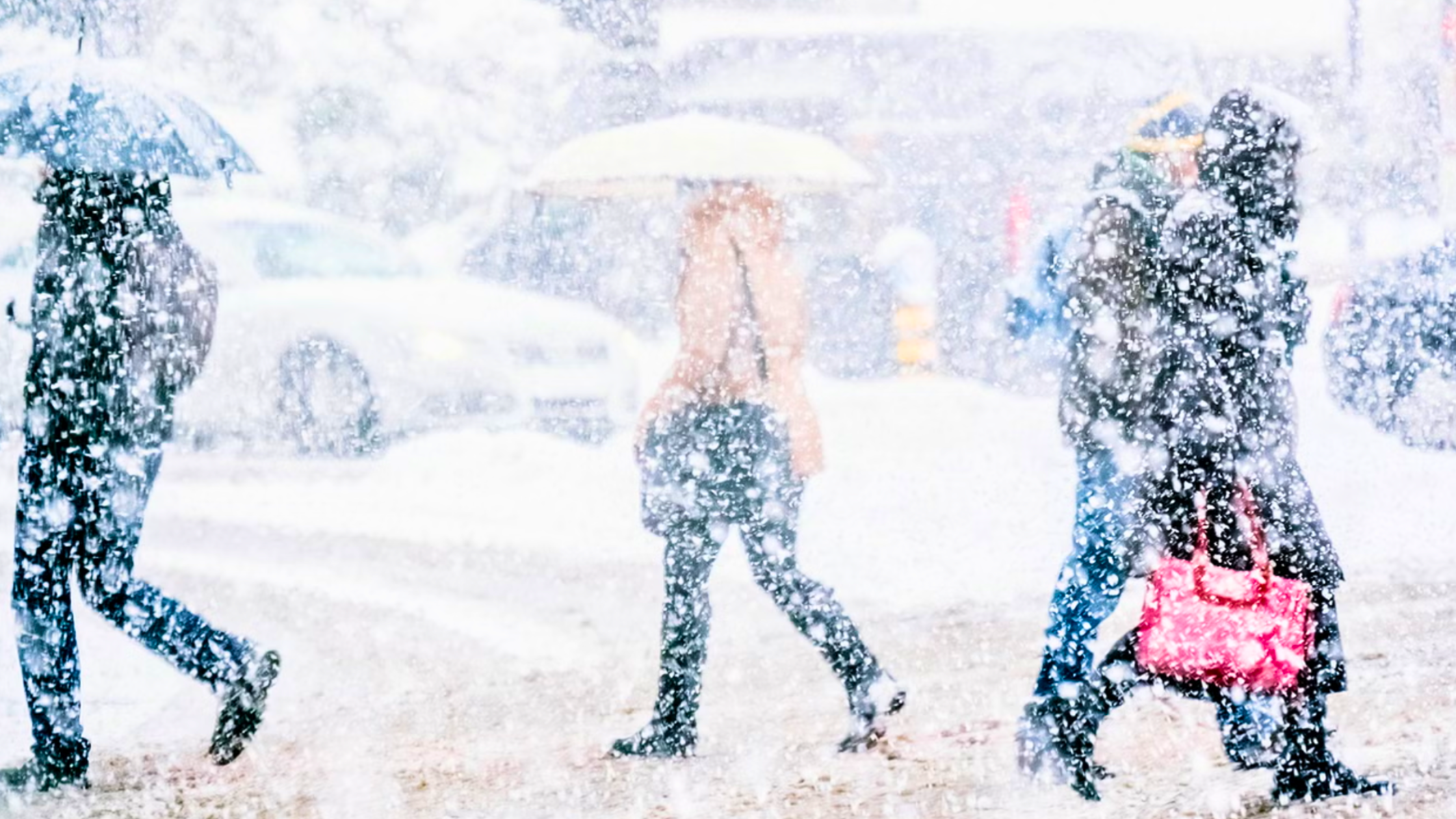
A cold winter looms over much of the United States, with snowfall predicted to overwhelm many states and temperatures predicted to drop to record lows. The phenomenon is known as La Niña, a climate pattern occurring every three to five years characterized by cooler-than-average ocean surface temperatures in the central and eastern equatorial Pacific Ocean. Stronger-than-normal trade winds push warm waters west, shifting the jet stream and influencing storm patterns, bringing colder weather and more extreme rain conditions in the dry east and wet west coasts of the United States.
The El Niño-Southern Oscillation, what scientists call ENSO, swings cooler and warmer water by the equator, changing weather patterns and significantly impacting our winters. The jet streams caused by the sea surface temperatures are pushed north, where “a blocking high-pressure system forms south of Alaska in the Pacific, diverting storms up and around it,” causing the jet stream to dive south as it crosses mainland America. Despite La Niña typically only coming every few years, we experienced a lighter La Niña winter last year and are expected to feel the effects of a stronger one this winter.
Like colder weather, La Niña also significantly alter extreme weather events. One of the impacts we have already seen is a strong, more frequent hurricane season in the Atlantic that devastated communities from New Jersey to Florida. Several more storms did not reach land or weakened before reaching the shore. Disastrous floods and torrential downpours affected more than 50 million people by mid-July. One of the most recent examples is the mass destruction of homes in the Outer Banks of North Carolina. Experts state that the end of the season is particularly affected by La Niña, meaning that November would see even more destruction at a time usually considered safe.
This winter, the Pacific will experience “persistent colder-than-normal (0.5 degrees Celsius or greater) sea surface temperature.” These effects will not be universally felt across the United States, however. Extreme colds are expected to occur specifically in the northwestern United States, with Montana and North Dakota experiencing lower winter temperatures of 40-50 percent below normal. On the other hand, the southern United States are expected to have higher than normal temperatures over the winter, with southern parts of Florida, New Mexico, and Arizona experiencing temperatures 50-60 percent above average. This variance also exists within the same state, most notably in Alaska, which experiences both 50-60 percent above average and 33-40 percent below average winter temperatures.
Similar patterns exist for precipitation rates. Montana specifically will experience precipitation rates 50-60 percent above average, while Indiana, Illinois, Ohio, southern Michigan, North Dakota, and northern Wyoming will experience precipitation rates 40-50 percent above average. Southern Georgia and South Carolina, as well as northern Florida, are expected to experience 50-60 percent below average precipitation. Parts of southern Georgia and northern Florida are currently experiencing an extreme drought. Even about half of North Carolina is already experiencing a moderate to severe drought.
With NOAA and other similar national weather administrations facing budget cuts, weather predictions this year may become less reliable. As La Niña intensifies existing worrisome climatic conditions, having less reliable weather forecasts can be detrimental. Not only can it cause the country to lose billions in damages, but it can also be deadly.
La Niña is a natural phenomenon, but it is becoming more frequent, dangerous, and expensive as global warming and climate change worsen. Heavy snowfall in some regions of the United States can combine with extreme cold to make winters detrimental for the Northwestern United States, while droughts in the Southeastern United States will worsen the warming winter. To prevent extreme damage and deaths, we must properly prepare for this winter and ramp up efforts to prevent interruptions to natural global weather patterns.
Take Action
Natural events like La Niña drive extreme weather, but climate change makes these disasters more severe. Add your name to urge Congress to take urgent action to protect our communities, health, and future.
Change the Chamber is a nonpartisan coalition of young adults, 100+ student groups across the country, environmental justice and frontline community groups, and other allied organizations. To support our work, donate or join our efforts!