The Hidden Health Crisis of a Warming Planet
By Marie DeLessio, January 13, 2026
Climate change is no longer a distant environmental threat—it is directly affecting human health. By expanding the range of disease-carrying vectors and increasing zoonotic transmission, a warming planet is driving the rise of infectious diseases worldwide.
Source: Centers for Disease Control and Prevention
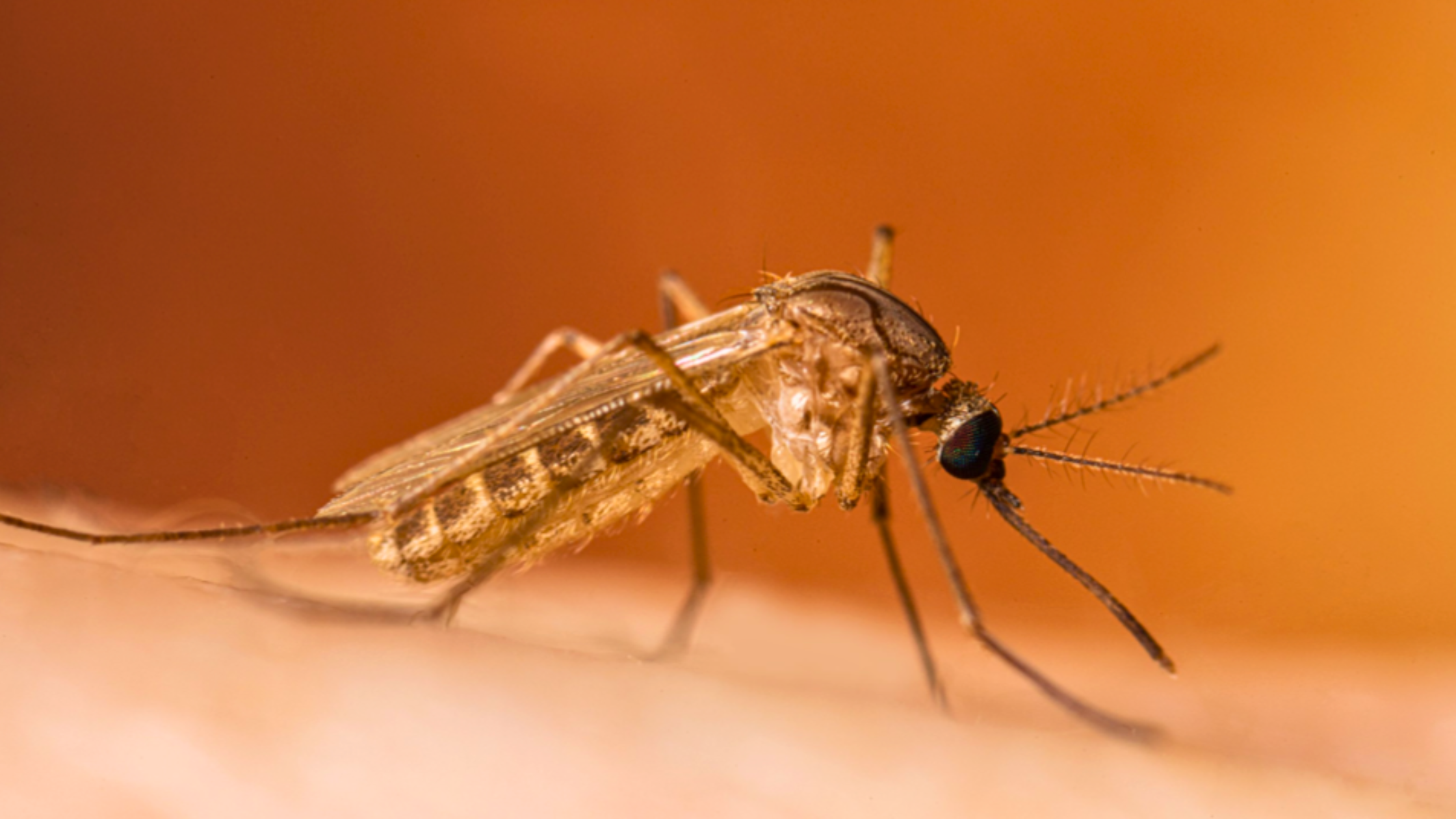
Often, when thinking about the human impact on disease transmission, we focus on washing our hands frequently, staying home when we are sick, and getting vaccinated when possible. However, a lesser-discussed contributor to the spread of disease is climate change. Climate change plays a significant role in disease transmission largely because of zoonotic transmission, the spread of infectious diseases between animals and humans. Recent data shows that six out of ten infectious diseases emerge from animal-to-human transmission. Some of these diseases spread via vector species, organisms that transmit infectious pathogens from animals to humans, such as mosquitoes and ticks.
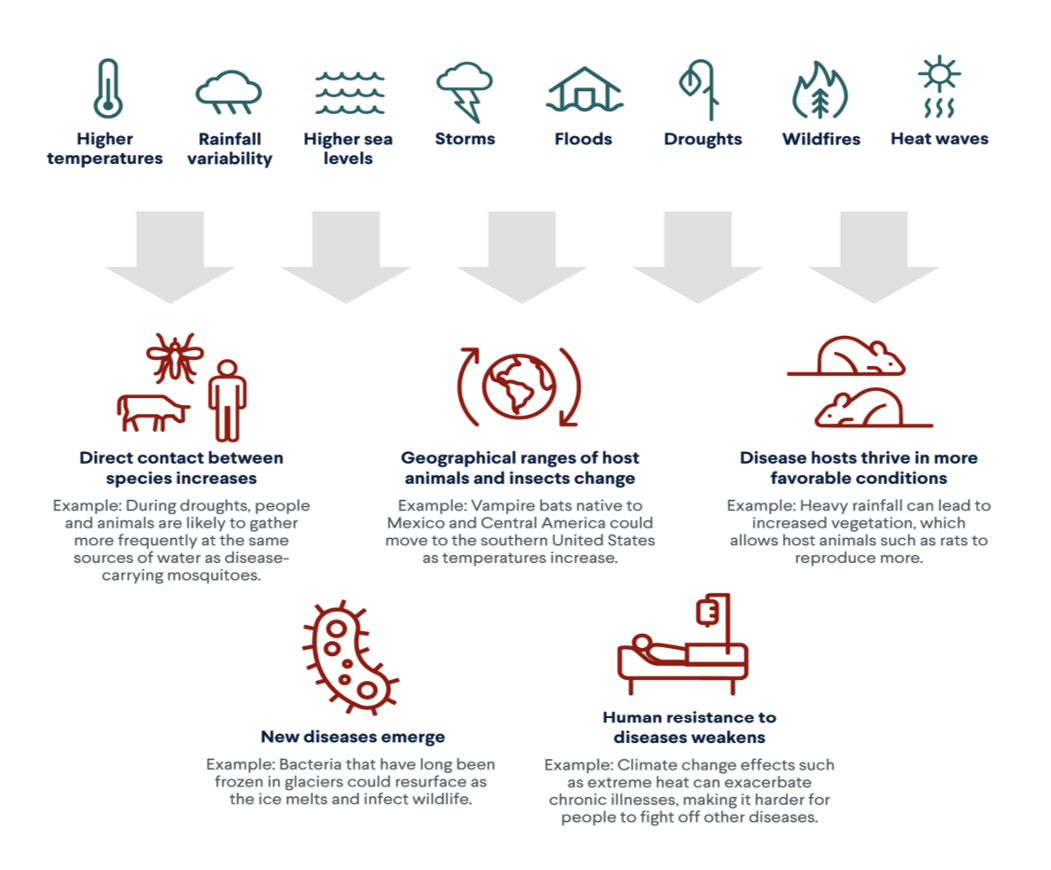
Rising global temperatures in recent years have increased the risk of zoonotic disease transmission, particularly in less-developed regions of the world. However, this does not mean that wealthier countries, such as the United States, are immune to this trend. Historically, economic development and cooler climates helped keep mosquito-borne diseases out of much of the Northern Hemisphere. But, as warmer temperatures and erratic weather patterns become more common, disease vectors are utilizing these more favorable conditions to breed in areas they previously couldn’t. In response to harsh environmental changes, many pathogens and vectors have developed resistance to typical treatments as a means of survival.
Source: Council on Foreign Relations
The two largest groups of disease-transmitting vectors are mosquitoes and ticks. Globally, mosquitoes alone are responsible for approximately one million deaths each year. Heatwaves, droughts, floods, and increased rainfall are creating the “perfect storm” for mosquito reproduction and are lengthening the seasons during which they are active. Erratic precipitation patterns and flooding, other consequences of climate change, provide optimal breeding conditions for mosquitoes, as they require standing water to reproduce. Flooding also increases the risk of waterborne disease transmission. Human responses to climate-driven conditions can further worsen the problem. For example, prolonged droughts in Australia have led to increased use of water storage tanks, which unintentionally serve as breeding grounds for disease-carrying mosquitoes.
Several mosquito-borne diseases have shown an alarming rise in Europe in recent years. The European Centre for Disease Prevention and Control (ECDC) has warned citizens about record-breaking cases of West Nile virus and chikungunya, both transmitted by mosquitoes. The ECDC attributes these increases to climatic and environmental factors, including rising temperatures and longer summers. These infectious diseases pose serious public health concerns. Chikungunya, for instance, causes fever and severe joint pain that can persist for weeks. Its name comes from a Tanzanian word meaning “that which bends up,” referring to the hunched posture adopted by those suffering from intense joint pain.
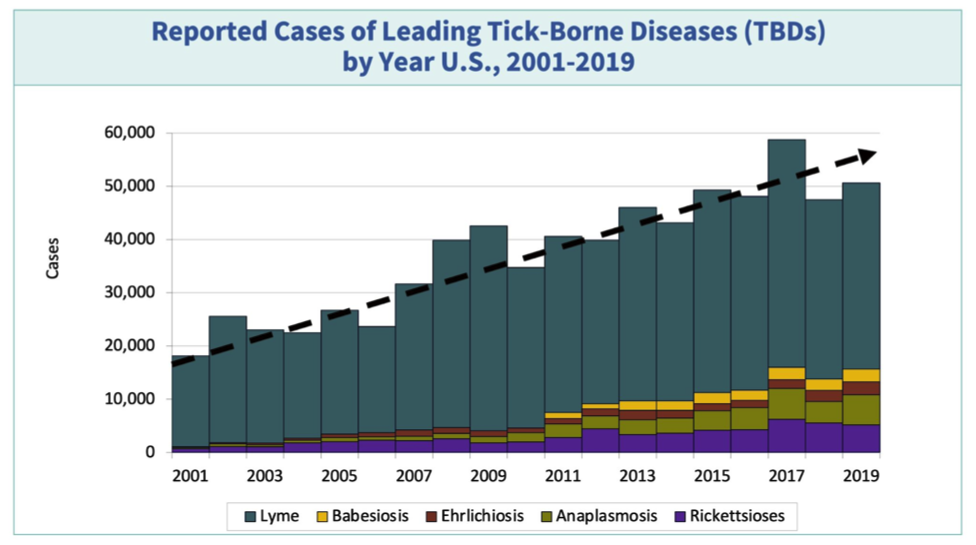
Similar to the rapid rise of mosquito-borne illnesses, tick-borne diseases have nearly doubled over the past 20 years. In the United States, approximately 80 percent of vector-borne diseases are transmitted by ticks. The blacklegged tick, which transmits Lyme Disease, has significantly expanded its range northward over the past 25 years due to warming temperatures. Two to three decades ago, Canada reported virtually no cases of Lyme disease; today, nearly 30,000 cases have been documented in its southern provinces. Another tick-borne illness, babesiosis, is also emerging in regions where it previously did not exist. Warmer winters have extended the active season for ticks, increasing opportunities for disease transmission. Between 2011 and 2019, Connecticut experienced a 338 percent increase in babesiosis cases, while Vermont saw a staggering 1,602 percent increase. Babesiosis causes flu-like symptoms that can become life-threatening in individuals with weakened immune systems or other risk factors.
Source: National Emerging Special Pathogens Training & Education Center
While the rise in infectious diseases linked to climate change may not seem urgent to residents of wealthier northern countries, the COVID-19 pandemic has demonstrated the devastating impact of infectious diseases on global health. COVID-19 is widely believed to have originated from an animal host, likely bats, before spreading to humans. Genetic evidence suggests the virus may have emerged in China’s Yunnan province. A 2021 study indicated that climate change may have played a direct role in the emergence of SARS-CoV-2. Over the past century, rising atmospheric CO2 levels have driven climate changes, such as rising temperatures, which altered Yunnan's landscape, particularly its vegetation. These changes created suitable habitats for multiple bat species. Bats worldwide carry over 3,000 types of coronaviruses, and a higher diversity in bat species corresponds to an increase in coronaviruses. The study estimated that climate change introduced approximately 40 additional bat species to Yunnan, significantly increasing the number of coronaviruses present. Researchers have also hypothesized that climate-related shifts in pangolin migration patterns may have contributed to the virus’s spread, as pangolins are thought to be an intermediate host of COVID-19.
Infectious diseases have always existed, and humanity has survived many pandemics. However, the growing connection between climate change and disease transmission should raise serious concerns for physicians, public health officials, and lawmakers. Climate change is not a single isolated threat; it is a force that intensifies multiple risks simultaneously by altering ecosystems, expanding the range of disease vectors, stressing health systems, and increasing population vulnerability. The evidence increasingly shows a positive correlation between climate change and the spread of infectious diseases, prompting experts to call for improved preparedness. Lawmakers must take urgent action to reduce emissions and slow climate change if we hope to limit further damage to public health. Citizens can also play a role by contacting state and federal representatives and urging them to address the climate crisis for the protection of our collective health and well-being.
Take Action
Take action today by telling Congress to address climate change now!
CLIMATE AND HEALTH SERIES
This piece is part of our ongoing #OurClimateOurHealth Series, which explores how the climate and environment shape our health outcomes. We highlight both the risks and the solutions, showing that climate action is also a public health imperative. Our goal is to inform, inspire, and equip readers, practitioners, and policymakers to safeguard health in the face of environmental change. Explore other stories from the series HERE.

Change The Chamber is a nonpartisan coalition of young adults, 100+ student groups across the country, environmental justice and frontline community groups, and other allied organizations. To support our work, donate or join our efforts!