Got Water? The Dark Side of Cattle Farming
By Erika Pietrzak, January 16, 2026
The global cattle industry is draining massive amounts of water, especially in drought-prone regions. Rising demand for beef and dairy is worsening water scarcity, threatening both people and ecosystems.
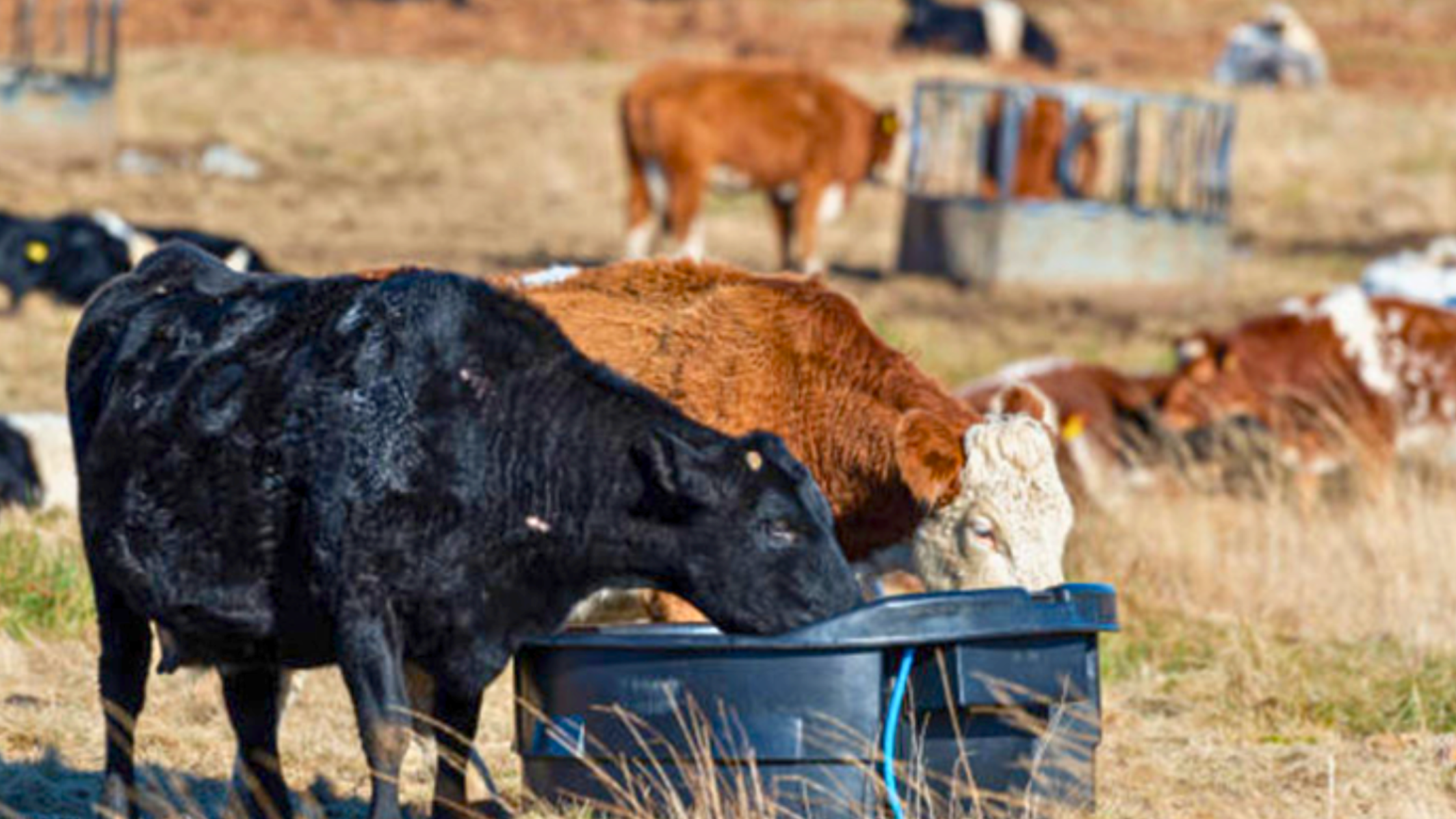
The beef and dairy industries are known for many animal rights abuses, increasing global warming with methane production, and pollution. While these problems are significant and deserve public attention, another issue looms in the background: water requirements for cattle and cattle feed. The animal breeding industry accounts for over 33 percent of agricultural water consumption, and this is only expected to increase as the industry expands. With massive numbers of cattle requiring significant water and their feed grown in arid and increasingly drought-stricken regions of the world, an insurmountable amount of water is needed to meet the demands of growing populations that are significantly reliant on the exploitative cattle industry.
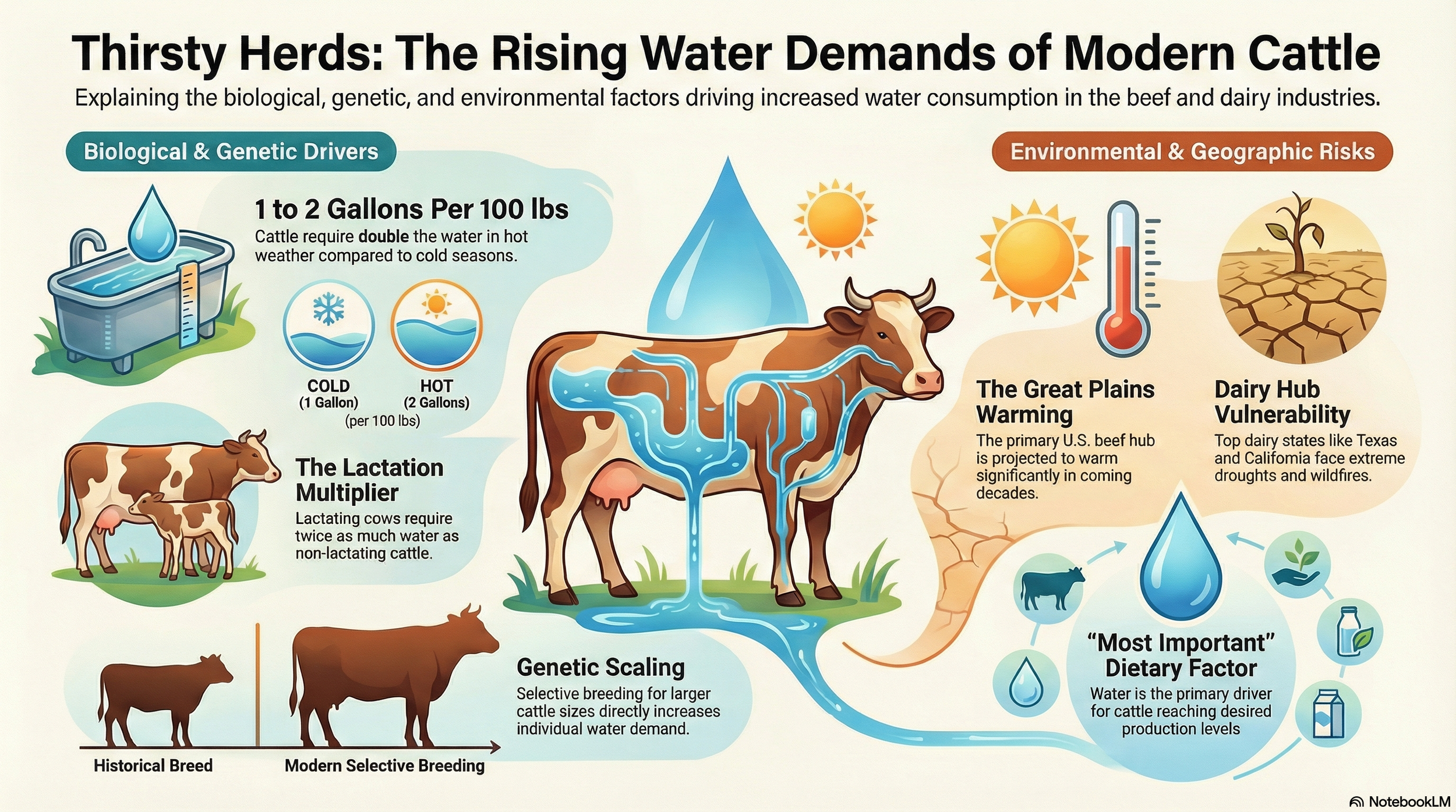
According to the University of Nebraska-Lincoln (UN-L), beef cattle require one gallon per one hundred pounds of body weight during cold weather and two gallons per one hundred pounds during the hottest weather. Lactating cows require about twice as much water as non-lactating cattle. As genetic modification and selective breeding make cattle larger, cattle’s demand for water grows as well. In fact, UN-L claims that water is likely the most important part of beef cattle’s diets to reach the “desired level of importance.” With increasing consumer demand for more milk, cheese, and other dairy products, more cows will be forced to maintain lactation for extended periods, resulting in significant water usage.
As the weight of cattle and global temperatures increase, more water will be needed to keep one cow hydrated. In America, the majority of beef cattle reside in the Great Plains region, which is one of the hottest regions of the country and is projected to warm significantly in the next few decades. Most dairy cattle live in California, Texas, Idaho, and Wisconsin, with Texas and California being among the hottest climates in the country, particularly during the recent droughts and wildfires within those regions.
China is one of the largest producers of cattle feed, accounting for over 25 percent of the global beef industry. In the Qinghai-Tibet Plateau (QTP) region of China, the beef industry makes up 62 percent of its water footprint. A 2018 study found that the water footprint (WF) “from Chinese wildrye hay, maize grain, alfalfa hay and soybean meal production accounted for 30.4 percent, 16.4 percent, 14.5 percent and 10.9 percent of the total WF, respectively, whereas the WF from embedded in animal products, respiratory vapour losses and other service water was 11.4 percent.” Variations in WF from different dairy farms were largely attributed not to the size of cattle, but to the type of feed. The study concluded that “using feed that consumes less water to produce or importing feed from a country where its water consumption is lower could reduce the consumptive water use for milk production by up to 22 percent.”
Importing feed into China is a crucial strategy that could limit the cattle industry’s WF. China is largely arid and is experiencing serious desertification, particularly in rural areas where most agricultural and livestock industries are operated. The vast majority of water consumption in China’s cattle feed growth industry is tied to the cultivation of maize, wildrye hay, and soybean meal.
Soybean meal is a highly popular source of food for cattle worldwide, including in the United States. 4.4 million dairy cows and 1.69 million beef cattle in the US during 2020-2021 were fed on soybean meal. Cropland conversion in soybean-producing areas of China increased irrigation water demand by more than three cubic kilometers between 2004 and 2016. In Northern China, water scarcity is severe, and irrigation largely relies on groundwater exploitation.
The same problem occurs in Brazil, where cattle consume 40 percent of the country’s largest irrigation reservoir–the Itaipú reservoir. Soy production utilizes one cubic kilometer, and beef utilizes 10.4 cubic kilometers, without accounting for the “almost 70 percent of its water use is due to evaporation from the more than one million small reservoirs across the country.”
In 2017, it was estimated that Brazil and China relied on 3.1 cubic kilometers of water for soy and beef exports, while the European Union (EU) relied on 0.8 cubic kilometers of water annually. This year, research concluded that “18 percent of water use for China’s soy and beef imports from Brazil and 54 percent of water use for the EU’s soy and beef imports from Brazil came from river basins with either high or critical water scarcity.” All of these river basins also provide water for domestic use, energy generation, industrial development, and the maintenance of ecosystems. Shrinking river basins will constrain this limited resource and increase competition over the crucial source.
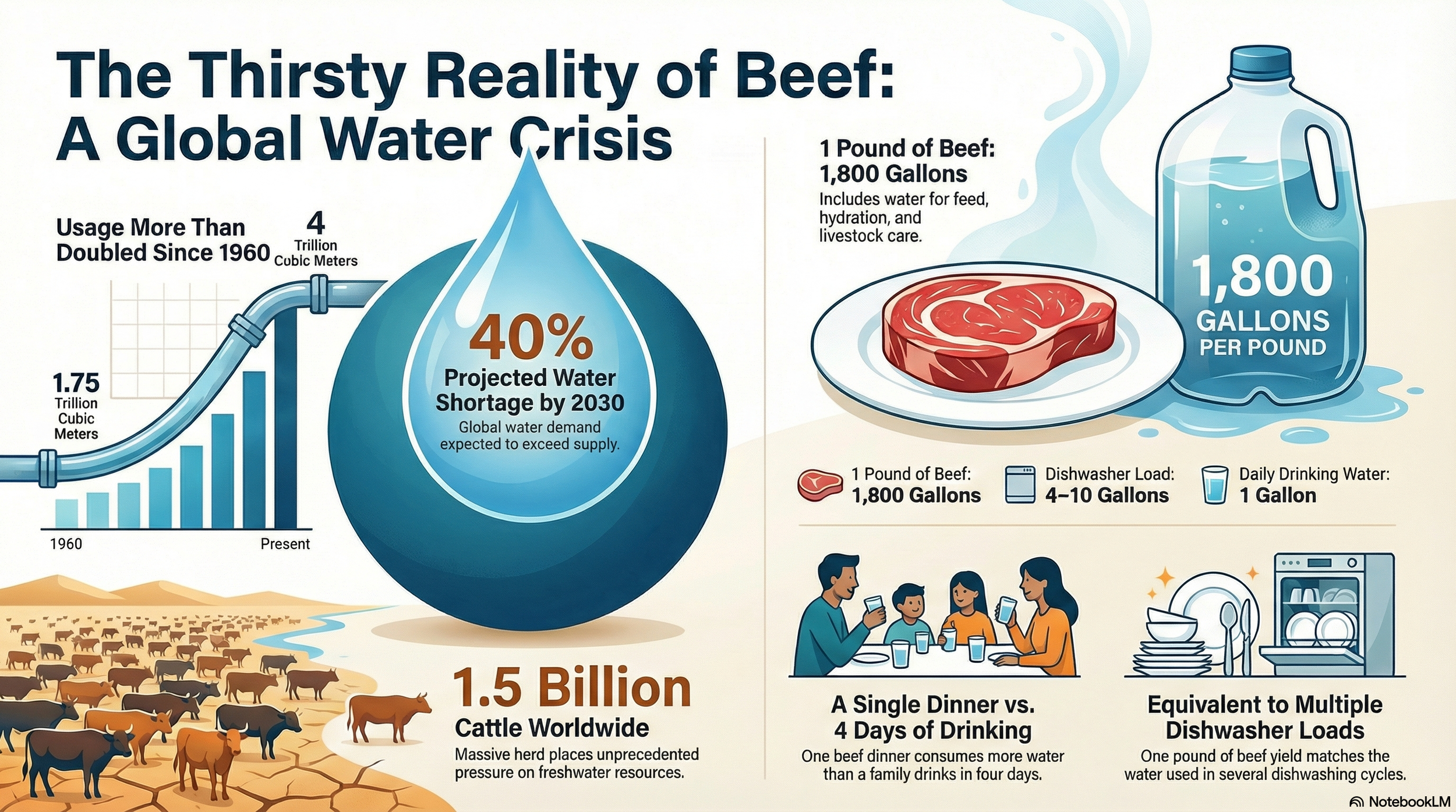
Global freshwater use has increased from 1.75 trillion cubic meters annually in 1960 to almost 4 trillion cubic meters today. According to current trends, global water demand is expected to exceed the current supply by 40 percent by 2030. One pound of beef requires about 1,800 gallons of feed, drinking water, and care. Approximately 1.5 billion cattle are farmed worldwide, producing an average of 470 pounds of retail cuts each, equating to 3.83 gallons of water per pound of yield. With the average person drinking up to one gallon per day and a dishwashing load equating to 4-10 gallons, one family’s dinner could be worth almost four days of drinking water or multiple whole loads of dishes!
Take Action
As people increasingly die due to waterborne diseases, dehydration, and the inability to water crops, this strain on water resources may be deadly. We must protect the water we have access to, and doing so goes beyond keeping the water clean and shortening your showers. Reducing our consumption of cattle can dramatically reduce stress in arid regions and protect access to water for people. Battling the climate crisis requires attention to details beyond just what food you eat, but where it comes from and how it gets to your plate. While our climate crisis is a systemic problem, learning how to think critically about the resources used to produce the goods you consume is a valuable skill for limiting your own carbon impact.
Change the Chamber is a nonpartisan coalition of young adults, 100+ student groups across the country, environmental justice and frontline community groups, and other allied organizations. To support our work, donate or join our efforts!